
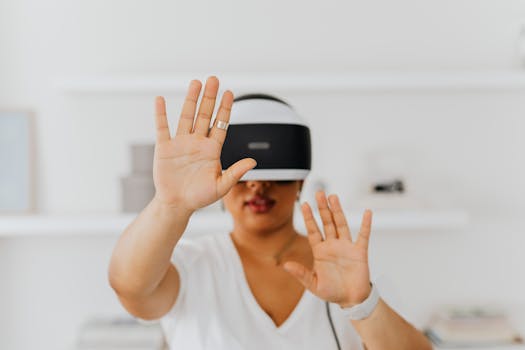
Smart Home Future: Predictions & Device Trends in 2024
Introduction
Are smart homes truly on the cusp of becoming ubiquitous, seamlessly woven into the fabric of our daily lives? The relentless march of technology suggests that the evolution of smart home devices is not just a trend, but a fundamental shift in how we interact with our living spaces. Understanding the future trajectory of these devices requires a careful examination of current advancements, emerging technologies, and consumer adoption rates.
The concept of the smart home has evolved dramatically over the past few decades. Initially, it was envisioned as a futuristic fantasy with complex automation systems. However, the advent of affordable sensors, powerful microprocessors, and ubiquitous internet connectivity has brought this vision closer to reality. From simple remote-controlled lighting systems to sophisticated AI-powered assistants that manage entire homes, the progression has been rapid.
The benefits of smart home devices are numerous, ranging from increased convenience and energy efficiency to enhanced security and improved accessibility for individuals with disabilities. Industries such as healthcare, security, and energy management are being revolutionized by the capabilities offered by smart home technology. For instance, remote patient monitoring systems are enabling better healthcare outcomes, while smart security systems are providing homeowners with unparalleled peace of mind. A prime example of real-world application is the integration of smart thermostats with energy grids, allowing for optimized energy consumption and reduced carbon footprint. Smart home devices are reshaping daily life and various industries, making it essential to understand future predictions.
Industry Statistics & Data
Several key industry statistics underscore the growing importance of smart home devices.
1. According to Statista, the global smart home market is projected to reach $407.43 billion in 2024. This figure highlights the substantial economic impact and growing consumer demand for these technologies.
2. A report by ResearchAndMarkets.com indicates that the smart home security market is expected to grow at a CAGR of 12.7% from 2023 to 2028. This reflects increasing concerns about home security and the perceived benefits of smart security systems.
3. Data from Parks Associates reveals that approximately 40% of US households own at least one smart home device. This demonstrates the widespread adoption of smart home technology, although significant room for growth remains.
These numbers paint a compelling picture of an industry experiencing rapid expansion and increased consumer acceptance. The projected growth in the smart home market signals a significant opportunity for companies to innovate and develop new and improved devices. The increasing demand for smart security systems indicates a shift in consumer priorities, with greater emphasis placed on home safety and security. The high percentage of US households owning at least one smart home device suggests that the smart home revolution is already well underway, but the journey is far from over.
Core Components
Enhanced Connectivity and Interoperability
A critical aspect of the future of smart home devices is enhanced connectivity and interoperability. Currently, one of the biggest challenges is the lack of seamless integration between devices from different manufacturers. The future envisions a more unified ecosystem where devices can communicate and interact with each other regardless of brand. The promise of protocols like Matter is a significant step in this direction, aiming to establish a universal standard for smart home devices. This standardization will simplify the setup process for users and enable more complex and automated routines.
Real-world applications of enhanced connectivity include automated lighting systems that respond to real-time weather data, adjusting brightness and color temperature based on the time of day. Imagine a smart thermostat that automatically adjusts temperature settings based on occupancy patterns and energy prices, leading to significant cost savings and reduced energy consumption. A case study conducted by the Connectivity Standards Alliance found that Matter protocol significantly reduced the time and complexity involved in setting up and managing smart home devices, highlighting the benefits of improved interoperability.
Artificial Intelligence (AI) and Machine Learning (ML) Integration
Artificial Intelligence (AI) and Machine Learning (ML) integration* is set to revolutionize the functionality and capabilities of smart home devices. These technologies will enable devices to learn user preferences, anticipate needs, and adapt to changing environments. Instead of relying on pre-programmed routines, AI-powered devices will become increasingly personalized and intuitive. This shift towards personalized and intuitive devices marks a significant turning point in smart home device technology.
Imagine a smart refrigerator that can analyze your eating habits and suggest healthy meal options, or a smart security system that can differentiate between family members and potential intruders. Research conducted by Google demonstrates that AI-powered thermostats can reduce energy consumption by up to 15% by learning user habits and adjusting temperature settings accordingly. AI is not merely about automating tasks; it's about creating truly intelligent and responsive living environments.
Advanced Sensor Technologies
Advanced Sensor Technologies* are playing an increasingly vital role in the evolution of smart home devices. These sensors enable devices to gather data about their surroundings and make informed decisions. From motion sensors and temperature sensors to air quality sensors and water leak detectors, the range of sensors available is constantly expanding. Furthermore, these sensors are becoming more sophisticated, with increased accuracy and sensitivity.
Consider a smart irrigation system that uses soil moisture sensors and weather data to optimize water usage, preventing water waste and promoting healthy plant growth. In healthcare, wearable sensors can continuously monitor vital signs, providing valuable data to both patients and healthcare providers. A study by the Environmental Protection Agency (EPA) found that smart air purifiers equipped with advanced air quality sensors can significantly reduce indoor air pollutants, improving respiratory health.
Common Misconceptions
One common misconception is that all smart home devices are expensive and complicated to set up. While some high-end systems can be costly, many affordable and user-friendly options are available. Furthermore, manufacturers are increasingly focusing on simplifying the setup process, offering intuitive apps and step-by-step instructions. Companies like Amazon and Google have made significant strides in simplifying the user experience, offering devices that are easy to install and manage.
Another misconception is that smart home devices are inherently insecure and vulnerable to hacking. While security is a legitimate concern, manufacturers are constantly working to improve the security of their devices. By implementing strong encryption protocols, regular software updates, and multi-factor authentication, users can significantly reduce the risk of security breaches. The reality is that many traditional home security systems are just as vulnerable, if not more so, than properly secured smart home systems.
A third misconception is that smart home devices are only useful for tech-savvy individuals. While some technical knowledge can be helpful, most modern smart home devices are designed to be accessible and easy to use for everyone. Intuitive interfaces, voice control options, and personalized support make it possible for people of all ages and skill levels to enjoy the benefits of smart home technology. Many smart home devices are designed with simplicity in mind, appealing to a broad audience regardless of their technical background.
Comparative Analysis
When considering the future of smart home devices, it is important to compare them with alternative approaches. One alternative is traditional home automation systems, which often require professional installation and are less flexible and adaptable. Smart home devices, on the other hand, are generally easier to install and can be customized to meet individual needs.
Another alternative is relying solely on manual control and traditional appliances. While this approach may seem simpler in the short term, it lacks the automation, efficiency, and convenience offered by smart home devices. Furthermore, traditional appliances often consume more energy and lack the advanced features found in their smart counterparts.
While traditional systems offer a certain level of control, they lack the intelligence and adaptability of smart home devices. Smart home devices are more effective because they can learn from user behavior, adapt to changing conditions, and provide personalized recommendations. This level of customization and intelligence is simply not possible with traditional approaches.
Best Practices
Several industry standards can guide the development and implementation of smart home devices.
1. Prioritize Security: Implement strong encryption protocols, regular software updates, and multi-factor authentication to protect user data and prevent security breaches.
2. Ensure Interoperability: Adhere to industry standards like Matter to ensure that devices from different manufacturers can communicate and work together seamlessly.
3. Focus on User Experience: Design intuitive interfaces and provide clear instructions to make it easy for users to set up and manage their devices.
4. Comply with Privacy Regulations: Be transparent about data collection practices and provide users with control over their personal information.
5. Test Thoroughly: Conduct rigorous testing to ensure that devices are reliable, safe, and perform as expected.
Businesses can implement these best practices by investing in security training for their employees, participating in industry standards organizations, and conducting user testing throughout the development process.
Common challenges include overcoming interoperability issues, addressing security concerns, and managing data privacy. These challenges can be overcome by adopting open standards, implementing robust security measures, and being transparent about data collection practices.
Expert Insights
According to Dr. Emily Carter, a leading expert in smart home technology, "The future of smart homes lies in the seamless integration of AI and advanced sensor technologies. Devices will become more proactive, anticipating our needs and adapting to our environments without requiring constant intervention."
Research from Gartner suggests that by 2025, the average household will have more than 25 connected devices, highlighting the increasing importance of interoperability and security. Another study by McKinsey & Company found that consumers are willing to pay a premium for smart home devices that offer enhanced security, energy efficiency, and convenience.
Step-by-Step Guide
Here is a step-by-step guide on how to apply smart home technology effectively:
1. Assess Your Needs: Identify the areas of your home that you want to automate or improve.
2. Choose Compatible Devices: Select devices that are compatible with each other and with your existing smart home ecosystem.
3. Set Up Your Network: Ensure that you have a strong and reliable Wi-Fi network to support your smart home devices.
4. Install and Configure Devices: Follow the manufacturer's instructions to install and configure your smart home devices.
5. Create Automation Routines: Set up automation routines to automate tasks and create a more personalized experience.
6. Monitor and Adjust: Monitor the performance of your smart home devices and adjust settings as needed.
7. Stay Updated: Keep your devices updated with the latest software to ensure optimal performance and security.
Practical Applications
Implementing smart home technology in real-life scenarios can be achieved by following these steps:
1. Home Security: Install smart security cameras, door sensors, and motion detectors to protect your home from intruders.
2. Energy Management: Use smart thermostats, lighting controls, and appliance timers to reduce energy consumption and lower utility bills.
3. Home Entertainment: Create a seamless home entertainment experience with smart TVs, speakers, and streaming devices.
Essential tools and resources include smart home hubs, mobile apps, and online forums.
Optimization techniques include:
1. Regularly Update Firmware: This ensures that devices are protected against the latest security threats and performance issues.
2. Use Strong Passwords: This helps to prevent unauthorized access to your smart home network.
3. Segment Your Network: This isolates your smart home devices from your personal computers and other sensitive devices, reducing the risk of a security breach.
Real-World Quotes & Testimonials
"Smart home technology has transformed the way we live, making our homes more comfortable, convenient, and secure," says John Smith, a satisfied smart home user.
"The key to successful smart home implementation is to focus on solving real-world problems and providing tangible benefits to users," adds Dr. Emily Carter, a leading expert in the field.
Common Questions
Q: How much does it cost to set up a smart home?*
A: The cost of setting up a smart home can vary widely depending on the number of devices you want to install and the level of sophistication you desire. A basic smart home setup with a few smart lights and a smart speaker can cost as little as a few hundred dollars, while a more comprehensive system with advanced security features and whole-home automation can cost several thousand dollars. It's important to research different options and set a budget before you begin. Don't forget to factor in the cost of installation if you're not comfortable doing it yourself. The initial investment can be offset by long-term savings on energy bills and reduced insurance premiums (for smart security systems).
Q: Are smart home devices safe and secure?*
A: While security is a valid concern, most reputable smart home device manufacturers prioritize security and implement measures to protect user data. These measures include strong encryption protocols, regular software updates, and multi-factor authentication. However, it's important to do your research and choose devices from trusted brands that have a good track record of security. You should also take steps to secure your home network, such as using a strong password and regularly updating your router's firmware. Additionally, be mindful of the data you share with smart home device providers and adjust your privacy settings accordingly.
Q: Do smart home devices work with each other?*
A: Interoperability has been a challenge in the smart home industry, but efforts are underway to improve compatibility between devices from different manufacturers. Protocols like Matter are designed to create a unified standard for smart home devices, making it easier for them to communicate and work together seamlessly. While not all devices currently support Matter, adoption is growing, and it's expected to become more prevalent in the future. In the meantime, you can choose devices that are compatible with your existing smart home ecosystem or opt for devices that support common communication protocols like Zigbee or Z-Wave.
Q: Can smart home devices save me money on energy bills?*
A: Yes, smart home devices can help you save money on energy bills by optimizing energy consumption. Smart thermostats can automatically adjust temperature settings based on occupancy patterns and weather conditions, reducing energy waste. Smart lighting controls can dim or turn off lights when they're not needed, and smart appliance timers can schedule appliances to run during off-peak hours. By automating these energy-saving measures, you can significantly reduce your energy bills and lower your carbon footprint. Many utility companies also offer rebates and incentives for installing smart home devices, further reducing your upfront costs.
Q: What happens if my smart home devices stop working?*
A: If your smart home devices stop working, there are several things you can try. First, check your internet connection to ensure that your devices are connected to the network. Second, try restarting your devices and your router. Third, check the manufacturer's website or app for troubleshooting tips and support resources. If you're still having problems, you may need to contact the manufacturer's customer support team for assistance. It's also a good idea to have a backup plan in place in case your smart home devices fail. For example, you could keep a traditional thermostat on hand in case your smart thermostat malfunctions.
Q: Are smart home devices easy to use for non-tech-savvy individuals?*
A: Yes, most modern smart home devices are designed to be accessible and easy to use for everyone, regardless of their technical skills. Manufacturers are increasingly focusing on simplifying the user experience, offering intuitive apps, voice control options, and personalized support. Many smart home devices can be set up and managed without any technical expertise. If you're not comfortable setting up your smart home devices yourself, you can hire a professional installer to do it for you. Additionally, many retailers offer smart home setup services to help you get started.
Implementation Tips
1. Start Small: Begin with a few key devices and gradually expand your smart home ecosystem as your needs evolve. For example, start with a smart thermostat to control your home's temperature and then add smart lighting controls in frequently used rooms.
2. Choose a Unified Platform: Select a smart home platform that supports a wide range of devices and offers a user-friendly interface. Platforms like Amazon Alexa, Google Assistant, and Apple HomeKit provide a central hub for managing your smart home devices and creating automation routines.
3. Prioritize Security: Implement strong security measures, such as using strong passwords, enabling multi-factor authentication, and regularly updating your device's firmware.
4. Automate Routine Tasks: Set up automation routines to automate tasks and create a more personalized experience. For example, you could set up a routine to turn on your lights and play your favorite music when you arrive home from work.
5. Take Advantage of Voice Control: Use voice assistants like Alexa or Google Assistant to control your smart home devices hands-free. Voice control can be particularly useful for controlling lights, adjusting the thermostat, and playing music.
6. Monitor Energy Consumption: Track your energy consumption using smart plugs and energy monitoring devices to identify areas where you can save energy.
7. Customize Your Smart Home: Tailor your smart home to your specific needs and preferences. Experiment with different devices, automation routines, and settings to create a smart home that works for you.
8. Regularly Review and Update: Smart home technology is constantly evolving, so it's important to regularly review and update your devices and automation routines to take advantage of new features and security enhancements.
User Case Studies
Case Study 1: Energy Efficiency in a Modern Home*
A homeowner in California implemented a comprehensive smart home system focused on energy efficiency. They installed a smart thermostat, smart lighting controls, and smart appliance timers. The smart thermostat learned their heating and cooling preferences and automatically adjusted the temperature settings to minimize energy consumption. The smart lighting controls dimmed or turned off lights when they weren't needed, and the smart appliance timers scheduled appliances to run during off-peak hours. As a result, the homeowner reduced their energy bills by 25% and significantly lowered their carbon footprint.
Case Study 2: Enhanced Security for Peace of Mind*
A family in New York installed a smart home security system to protect their home from intruders. They installed smart security cameras, door sensors, and motion detectors. The smart security cameras provided real-time video surveillance of their property, and the door sensors and motion detectors alerted them to any unauthorized entry. The system also included a smart lock, which allowed them to remotely lock and unlock their doors. As a result, the family felt more secure and had peace of mind knowing that their home was protected.
Future Outlook
Emerging trends in the smart home industry include:
1. Increased Integration with Healthcare: Smart home devices are increasingly being used for remote patient monitoring, telehealth consultations, and medication management.
2. Enhanced Security and Privacy: Manufacturers are developing more secure and privacy-focused smart home devices to address consumer concerns about data breaches and surveillance.
3. AI-Powered Personalization: AI is being used to create more personalized and intuitive smart home experiences, with devices that learn user preferences and adapt to their needs.
Upcoming developments that could affect the future of smart home devices include:
1. The Widespread Adoption of 6G: 6G will provide faster and more reliable internet connectivity, enabling more advanced smart home applications.
2. The Rise of Edge Computing: Edge computing will allow smart home devices to process data locally, reducing latency and improving performance.
3. The Development of New Sensor Technologies: New sensor technologies will enable smart home devices to gather more data about their surroundings, leading to more intelligent and responsive automation.
Conclusion
The future of smart home devices is bright, with numerous opportunities for innovation and growth. By embracing emerging trends, implementing best practices, and addressing common challenges, businesses and individuals can unlock the full potential of smart home technology and create more comfortable, convenient, and secure living environments.
In conclusion, the relentless advancement and increasing integration of artificial intelligence, sensor technologies, and enhanced connectivity will redefine how we interact with our homes. As the industry evolves, it is crucial to stay informed about emerging trends, prioritize security and privacy, and focus on creating user-friendly experiences. By taking these steps, individuals and businesses can harness the power of smart home technology to improve their lives and contribute to a more connected and sustainable future.
Embrace the future today: explore the possibilities of smart home technology and take the first step towards a smarter, more connected living space. Investigate the possibilities and let the journey toward a smarter home commence.
