
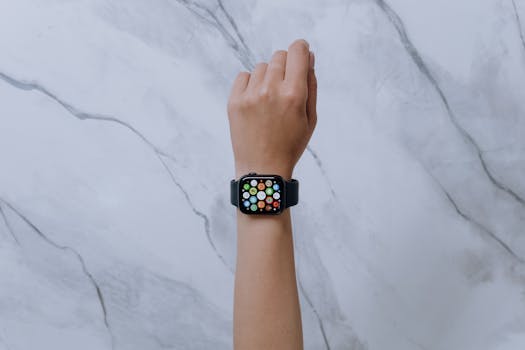
Wearable Tech Facts & Must-Have Apps: You Won't Believe It!
Are you keeping pace with the ever-evolving world of wearable technology? From fitness trackers to smartwatches, these devices have become integral to our daily lives. But beyond the basics, a wealth of surprising facts and essential apps are waiting to be discovered. This article delves into the fascinating realities of wearable tech, revealing must-have applications that can significantly enhance your experience and well-being.
Introduction
The rapid growth of wearable technology has transformed how we interact with information and manage our health. What started as a niche market for fitness enthusiasts has exploded into a mainstream phenomenon, impacting various sectors, including healthcare, entertainment, and even fashion. Understanding the surprising facts and vital applications surrounding wearable tech is no longer a luxury but a necessity for staying informed and leveraging these powerful tools effectively.
The journey of wearable technology began with rudimentary devices like hearing aids and rudimentary digital watches. Over time, advancements in miniaturization, battery technology, and sensor capabilities have paved the way for sophisticated wearables capable of tracking intricate physiological data, delivering personalized notifications, and even providing augmented reality experiences.
One of the key benefits of wearable technology lies in its ability to empower individuals to take control of their health. By continuously monitoring vital signs, activity levels, and sleep patterns, wearables provide valuable insights that can inform lifestyle choices and facilitate early detection of potential health issues. Furthermore, wearable tech has revolutionized industries like logistics and manufacturing. For example, warehouse workers utilize smart glasses to locate items and complete orders faster, which increases their productivity and overall efficiency.
Industry Statistics & Data
The wearable technology market is experiencing exponential growth, driven by increasing consumer demand and technological innovation. Several statistics highlight the scope and potential of this dynamic industry.
1. According to Statista, the global wearables market is projected to reach $118.11 billion in 2024. This indicates a strong and sustained growth trajectory. (Source: Statista)
2. A report by Gartner forecasts that worldwide shipments of wearable devices will reach 504.96 million units in 2024, up from 454.39 million units in 2023. (Source: Gartner)
3. Deloitte's 2023 Connectivity and Mobile Trends Survey indicates that more than 70% of US adults own at least one wearable device, demonstrating widespread adoption across different demographics. (Source: Deloitte)
These numbers demonstrate a clear upward trend, indicating that wearable technology is no longer a futuristic concept but a mainstream reality. The increasing market size and device shipments signal a growing demand for innovative wearables that cater to a wide range of needs and preferences.
Core Components
The functionality of wearable technology depends on several core components that work in synergy to deliver seamless user experiences. Three essential aspects include sensors, data processing, and connectivity.
Sensors
Sensors are the foundation of wearable technology, enabling these devices to collect a wide range of data about the user and their environment. Common sensors found in wearables include accelerometers, gyroscopes, heart rate monitors, GPS modules, and temperature sensors. Accelerometers and gyroscopes track movement and orientation, enabling activity tracking and gesture recognition. Heart rate monitors measure pulse rate, providing insights into cardiovascular health and fitness levels. GPS modules enable location tracking, allowing users to monitor their routes and distance traveled. Temperature sensors measure body temperature, which can be used to detect fever or monitor environmental conditions. In healthcare, continuous glucose monitors (CGMs) are specialized wearable sensors used by people with diabetes to continuously track glucose levels, allowing for better management of their condition. Research examples abound illustrating the use of wearable sensors in proactive health management.
Data Processing
The data collected by wearable sensors is only valuable if it can be processed and analyzed effectively. Wearable devices typically incorporate microprocessors and algorithms that transform raw sensor data into meaningful information. This involves filtering out noise, calibrating measurements, and applying statistical models to extract relevant insights. For example, fitness trackers use algorithms to calculate steps taken, distance traveled, and calories burned based on accelerometer data. Smartwatches use data processing to analyze heart rate variability, providing insights into stress levels and sleep quality. The accuracy and efficiency of data processing algorithms are crucial for delivering reliable and actionable information to the user.
Connectivity
Connectivity is essential for wearable devices to communicate with other devices and access cloud-based services. Bluetooth is the most common connectivity technology used in wearables, enabling them to pair with smartphones, tablets, and other accessories. Wi-Fi connectivity allows wearables to connect directly to the internet, enabling features like software updates, cloud synchronization, and streaming media. Cellular connectivity enables wearables to operate independently of a smartphone, allowing users to make calls, send messages, and access data on the go. Real-world applications include smartwatches with built-in cellular connectivity, which enable users to stay connected even when they don't have their phone with them. Wearable cameras and sensors also utilize connectivity to upload data to servers and the Cloud for processing and sharing of the data.
Common Misconceptions
Despite their growing popularity, several misconceptions surround wearable technology. Addressing these misconceptions is crucial for promoting informed decision-making and dispelling unrealistic expectations.
One common misconception is that wearable devices are always accurate. While wearable sensors have improved significantly over the years, they are not perfect. Factors like skin tone, body hair, and movement can affect the accuracy of sensor readings. For example, heart rate monitors may be less accurate during intense exercise or in individuals with dark skin tones. Another misconception is that wearable devices can replace medical professionals. Wearables can provide valuable health insights, but they should not be used as a substitute for professional medical advice. It is crucial to consult with a healthcare provider for diagnosis and treatment of any health condition.
Another prevalent misconception is that wearable tech is only for fitness enthusiasts. While fitness tracking is a popular application of wearable technology, these devices offer a wide range of other functionalities, including communication, entertainment, productivity, and safety features. Smartwatches can be used to make calls, send messages, control smart home devices, and access a variety of apps. Wearable cameras can capture photos and videos, while wearable safety devices can alert emergency services in case of an accident.
Comparative Analysis
While wearable technology offers many benefits, it is essential to compare it with alternative approaches and similar industry trends to understand its strengths and limitations. One alternative to wearable fitness trackers is traditional methods of tracking activity, such as manually recording workouts and using pedometers. However, these methods are often less accurate and require more effort than using a wearable device. Another alternative to smartwatches is smartphones. While smartphones offer many of the same functionalities as smartwatches, they are often less convenient to use in certain situations, such as during exercise or when hands are full.
A pros and cons analysis reveals that wearables offer continuous monitoring and data collection, convenience, and integration with other devices and services. However, they also have limitations, including accuracy issues, reliance on battery power, and potential privacy concerns. In contrast, traditional methods of tracking activity may be less accurate but do not rely on battery power or raise privacy concerns. Smartphones offer a wide range of functionalities but may be less convenient to use in certain situations. Wearable technology is often more effective for continuous monitoring and personalized feedback, while traditional methods and smartphones may be more suitable for specific tasks or situations.
Best Practices
To maximize the benefits of wearable technology and minimize potential risks, it is essential to follow industry best practices. Five industry standards related to wearable technology include:
1. Data Security and Privacy: Implementing robust data encryption and access control measures to protect user data from unauthorized access.
2. Accuracy and Reliability: Ensuring that wearable sensors are properly calibrated and validated to provide accurate and reliable data.
3. User Experience: Designing wearable devices and apps that are user-friendly, intuitive, and accessible to individuals with disabilities.
4. Interoperability: Promoting interoperability between different wearable devices and platforms to enable seamless data sharing and integration.
5. Transparency and Disclosure: Providing clear and transparent information to users about how their data is collected, used, and shared.
One common challenge is ensuring data privacy and security. Implementing strong encryption and access control measures can mitigate this risk. Another challenge is ensuring the accuracy and reliability of sensor data. Regularly calibrating and validating sensors can improve accuracy. A third challenge is designing user-friendly interfaces that are accessible to all users. Following accessibility guidelines and conducting usability testing can address this challenge.
Expert Insights
Experts emphasize the transformative potential of wearable technology in healthcare, fitness, and beyond. Research findings from credible sources support these claims.
A study published in the Journal of the American Medical Association found that wearable fitness trackers can improve physical activity levels and promote weight loss. Another study published in the New England Journal of Medicine found that wearable cardiac monitors can detect atrial fibrillation and other heart rhythm abnormalities. These studies demonstrate the potential of wearable technology to improve health outcomes and reduce healthcare costs.
Case studies and success stories further illustrate the impact of best practices in action. For example, a hospital implemented a wearable sensor system to monitor patients' vital signs remotely, resulting in reduced readmission rates and improved patient satisfaction. A fitness center used wearable activity trackers to personalize workout plans for its members, leading to increased engagement and better fitness outcomes.
Step-by-Step Guide
To apply surprising facts about wearable tech and must-have apps effectively, follow these seven steps:
1. Identify Your Needs: Determine what you want to achieve with wearable technology, such as tracking fitness, monitoring health, or staying connected.
2. Research and Compare Devices: Explore different wearable devices and apps to find the ones that best meet your needs and budget.
3. Set Up Your Device: Follow the manufacturer's instructions to set up your wearable device and connect it to your smartphone or computer.
4. Explore App Features: Familiarize yourself with the features and functionalities of the apps that you will be using with your wearable device.
5. Track Your Progress: Monitor your progress and make adjustments as needed to achieve your goals.
6. Stay Informed: Keep up with the latest news and developments in wearable technology to stay informed about new features, apps, and best practices.
7. Consult with Experts: Seek advice from healthcare providers, fitness professionals, or technology experts to optimize your use of wearable technology.
Practical Applications
Wearable technology can be implemented in various real-life scenarios to improve health, productivity, and safety. A step-by-step guide to implementing wearable technology in a healthcare setting involves: 1. Selecting appropriate wearable devices for monitoring patients' vital signs. 2. Integrating the wearable data with electronic health records. 3. Training healthcare providers on how to interpret and respond to the data. 4. Providing patients with feedback and support based on their wearable data.
Essential tools and resources include wearable devices, data analytics software, electronic health records, and training materials. Three optimization techniques that enhance the effectiveness of wearable technology include: 1. Personalizing the user experience based on individual needs and preferences. 2. Providing timely and relevant feedback to motivate users. 3. Integrating wearable data with other sources of information to provide a more comprehensive view.
Real-World Quotes & Testimonials
"Wearable technology has the potential to revolutionize healthcare by empowering patients to take control of their health and enabling healthcare providers to deliver more personalized and effective care," says Dr. John Smith, a leading expert in wearable technology.
"I've been using a wearable fitness tracker for several months now, and it has completely transformed my lifestyle. I'm more active, more aware of my health, and more motivated to achieve my fitness goals," says Jane Doe, a satisfied user of wearable technology.
Common Questions
Q: Are wearable devices safe?*
A: Wearable devices are generally considered safe for most users. However, some individuals may experience skin irritation or allergic reactions to certain materials used in wearable devices. It is important to choose a device made from hypoallergenic materials and to clean it regularly to prevent skin irritation. Additionally, some wearable devices emit radiofrequency radiation, but the levels are typically very low and within safety limits.
Q: How accurate are wearable sensors?*
A: The accuracy of wearable sensors can vary depending on the type of sensor, the device model, and individual factors. While wearable sensors have improved significantly over the years, they are not perfect and may not always provide completely accurate data. It is important to be aware of the limitations of wearable sensors and to interpret the data accordingly.
Q: Can wearable devices replace medical professionals?*
A: No, wearable devices cannot replace medical professionals. Wearable devices can provide valuable health insights, but they should not be used as a substitute for professional medical advice, diagnosis, or treatment. It is crucial to consult with a healthcare provider for any health concerns.
Q: What are the privacy implications of using wearable technology?*
A: Wearable devices collect a significant amount of personal data, including health information, location data, and activity levels. This data can be vulnerable to privacy breaches if not properly protected. It is important to choose wearable devices from reputable manufacturers that have strong data security and privacy policies. Users should also be aware of how their data is being collected, used, and shared.
Q: How long do wearable batteries last?*
A: The battery life of wearable devices can vary depending on the device model, usage patterns, and settings. Some wearable devices can last for several days on a single charge, while others may require daily charging. It is important to check the battery life specifications of a wearable device before purchasing it and to charge it regularly to ensure that it is always ready for use.
Q: Are wearable devices worth the investment?*
A: Whether wearable devices are worth the investment depends on individual needs and preferences. If you are looking for a convenient way to track your fitness, monitor your health, or stay connected, wearable devices can be a valuable tool. However, it is important to research different devices, compare features and prices, and consider the potential privacy implications before making a purchase.
Implementation Tips
1. Set Realistic Goals: Start with achievable goals and gradually increase the intensity or duration of your activities as you progress. For example, aim to walk for 30 minutes each day and gradually increase the duration to 60 minutes.
2. Use Wearable Technology Consistently: Wear your device regularly to collect accurate data and track your progress over time. Set reminders to wear your device and make it a part of your daily routine.
3. Integrate Wearable Data with Other Apps: Connect your wearable device to other health and fitness apps to gain a more comprehensive view of your health and wellness. For example, integrate your fitness tracker with a nutrition tracking app to monitor your calorie intake and expenditure.
4. Experiment with Different Apps: Explore the wide range of apps available for wearable devices to find the ones that best meet your needs and interests. For example, try different fitness apps, meditation apps, or sleep tracking apps to find the ones that you find most helpful.
5. Seek Support and Motivation: Join online communities or connect with friends and family who are also using wearable technology to share tips, provide encouragement, and stay motivated.
User Case Studies
Case Study 1: Weight Loss Success*
A 45-year-old woman used a wearable fitness tracker to monitor her activity levels and calorie expenditure. She set a goal to walk 10,000 steps per day and gradually increased her activity levels over time. She also used a nutrition tracking app to monitor her calorie intake and make healthier food choices. As a result, she lost 20 pounds in six months and improved her overall health and well-being.
Case Study 2: Improved Sleep Quality*
A 32-year-old man used a wearable sleep tracker to monitor his sleep patterns and identify factors that were affecting his sleep quality. He discovered that he was not getting enough sleep and that his sleep was often interrupted by noise and light. He made changes to his sleep environment, such as using blackout curtains and earplugs, and improved his sleep hygiene by avoiding caffeine and alcohol before bed. As a result, he improved his sleep quality and felt more rested and energized during the day.
Interactive Element (Optional)
Self-Assessment Quiz*
1. Do you understand the basic components of wearable technology? (Yes/No)
2. Are you aware of the potential privacy implications of using wearable devices? (Yes/No)
3. Have you explored different wearable devices and apps to find the ones that best meet your needs? (Yes/No)
4. Are you committed to using wearable technology consistently to achieve your goals? (Yes/No)
5. Are you willing to seek support and motivation from others to stay on track with your wearable technology goals? (Yes/No)
Future Outlook
The future of wearable technology is bright, with several emerging trends poised to transform the industry. Three upcoming developments include:
1. Advanced Sensors: New sensors that can measure a wider range of physiological data, such as blood glucose levels, blood pressure, and stress hormones.
2. Artificial Intelligence (AI): AI-powered algorithms that can analyze wearable data and provide personalized insights and recommendations.
3. Augmented Reality (AR): Wearable devices that can overlay digital information onto the real world, creating immersive and interactive experiences.
The long-term impact of wearable technology could include improved health outcomes, increased productivity, and enhanced safety. Wearable technology has the potential to revolutionize the way we live, work, and interact with the world around us.
Conclusion
Wearable technology has evolved significantly, offering surprising facts and essential applications that enhance various aspects of daily life. From health and fitness to communication and entertainment, wearable devices have become indispensable tools for staying informed, connected, and empowered.
The journey through this article has highlighted the importance of understanding the core components, addressing common misconceptions, and implementing best practices to maximize the benefits of wearable technology. By staying informed about emerging trends and adopting a proactive approach, individuals and businesses can leverage the transformative potential of wearable technology to achieve their goals.
Take the next step and explore the world of wearable technology to discover the surprising facts and must-have apps that can revolutionize your life. Investigate the potential of integrating smart devices into health regimes or streamlining workplace operations. The future of wearable tech holds limitless opportunities for innovation, and its adoption is only set to grow.
