
Wearable Tech: Pros & Cons + Must-Have Apps (2024 Guide)
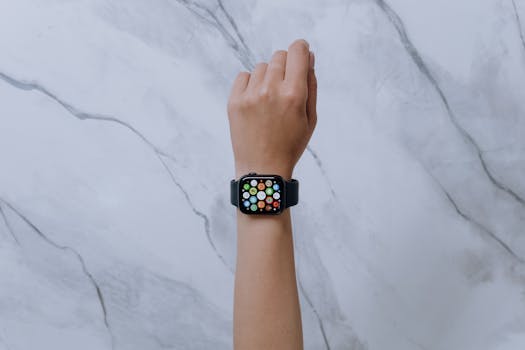
Are you considering jumping on the wearable tech bandwagon? From fitness trackers to smartwatches, these gadgets promise to revolutionize how we live, work, and play. However, are they truly worth the investment? This comprehensive guide delves into the pros and cons of wearable technology, highlighting the must-have apps that can maximize its potential.
Introduction
The question isn't whether wearable technology will impact our lives, but how. Wearable devices have transitioned from novel gadgets to integral parts of daily routines, offering convenience, enhanced productivity, and a deeper understanding of our health. The allure of monitoring fitness levels, receiving notifications on the go, and even controlling smart home devices from one's wrist is undeniable. This integration, however, comes with its own set of challenges, including privacy concerns, the potential for information overload, and the question of long-term value.
The concept of wearable tech isn't new. The first wearable devices date back to the invention of the abacus ring in China around the 17th century. Moving forward, wristwatches became a standard fashion and functional accessory. However, the modern era of wearable technology started gaining traction in the early 2000s with the introduction of basic fitness trackers. Over the years, advancements in sensor technology, miniaturization, and wireless communication have fueled explosive growth. Companies like Fitbit, Apple, and Samsung have become major players, driving innovation and expanding the functionality of these devices.
Wearable tech has had a tremendous impact, particularly in the health and fitness industry. It allows individuals to track physical activity, monitor sleep patterns, and even detect potential health problems early on. This leads to more proactive healthcare and improved overall well-being. Beyond personal use, wearable technology is increasingly being adopted in industries such as healthcare, manufacturing, and logistics to improve efficiency, safety, and data collection.
Consider the case of a construction company implementing smart helmets for its workers. These helmets are equipped with sensors that monitor environmental conditions, track worker location, and even detect falls. This enhances worker safety, improves project management, and provides valuable data for optimizing workflows. Such applications demonstrate the tangible benefits of wearable technology beyond consumer gadgets.
Industry Statistics & Data
The wearable technology market is booming, with significant growth projected in the coming years. Understanding the numbers provides a clear picture of the industry's potential and impact.
1. Global Market Size: According to Statista, the global wearable technology market was valued at approximately $116.24 billion in 2023.
2. Growth Forecast: Projections indicate a compound annual growth rate (CAGR) of 12.28% from 2024 to 2028, reaching a market volume of $185.50 billion by 2028 (Source: Statista). This indicates a strong and sustained interest in wearable devices.
3. Leading Segment: Smartwatches constitute the largest segment of the wearable market, accounting for a significant share of revenue and unit sales (Source: IDC). This reflects the versatility and widespread adoption of smartwatches as everyday companions.
These statistics underscore the growing importance of wearable technology in various sectors. The projected growth rate suggests continued innovation and adoption, making it essential for businesses and individuals to understand its capabilities and limitations. This numerical evidence highlights the undeniable shift towards a more connected and data-driven world facilitated by wearables.
Core Components
The effectiveness of wearable technology hinges on several key components working in harmony. This section explores three critical aspects: sensors, connectivity, and applications.
Sensors
At the heart of every wearable device are its sensors. These components are responsible for collecting data about the user's environment and physiological state. Common sensors include accelerometers (measuring movement), gyroscopes (determining orientation), heart rate monitors (measuring cardiovascular activity), and GPS modules (tracking location). More advanced wearables may also include sensors for measuring blood oxygen levels, skin temperature, and even electrodermal activity (EDA), providing insights into stress levels.
The quality and accuracy of these sensors are crucial for providing meaningful data. For instance, a fitness tracker with an inaccurate heart rate monitor might provide misleading information about calorie burn and workout intensity. Similarly, a smartwatch with a faulty GPS could miscalculate distances during outdoor activities. Advancements in sensor technology are constantly improving accuracy and power efficiency, making wearable devices more reliable and versatile.
Sensors have numerous real-world applications. In healthcare, they are used to monitor patients' vital signs remotely, allowing doctors to detect potential problems early on. In sports, they provide athletes with detailed performance data, helping them to optimize their training. In industrial settings, sensors can be used to monitor worker fatigue and prevent accidents. For example, construction workers can wear smart vests that track their body temperature and heart rate to alert them when they are becoming overheated or fatigued.
Connectivity
Connectivity is another crucial component of wearable technology. Wearable devices need to communicate with other devices and networks to transmit data, receive updates, and provide seamless integration with other services. Common connectivity technologies include Bluetooth, Wi-Fi, and cellular connectivity. Bluetooth is typically used for connecting to smartphones and other nearby devices, while Wi-Fi allows for direct access to the internet. Cellular connectivity enables wearables to function independently of a smartphone, providing access to calls, messages, and data even when the user is not near their phone.
Reliable connectivity is essential for a smooth user experience. Intermittent Bluetooth connections or slow Wi-Fi speeds can be frustrating and limit the functionality of the device. The rise of 5G technology promises to further enhance connectivity for wearable devices, enabling faster data transfer rates and lower latency.
Connectivity has practical applications in various fields. In emergency situations, wearable devices with cellular connectivity can be used to call for help, even if the user is unable to reach their phone. In logistics, connected wearables can track the location of packages and provide real-time updates to customers. In healthcare, remote patient monitoring devices rely on connectivity to transmit vital signs to doctors and nurses. For example, a wearable heart monitor can transmit data to a cardiologist in real time if a patient experiences an irregular heartbeat.
Applications (Apps)
The apps that run on wearable devices are what truly bring them to life. These applications provide a wide range of functions, from fitness tracking and health monitoring to communication and entertainment. The app ecosystem is constantly evolving, with new apps being developed to take advantage of the latest features and capabilities of wearable devices.
The quality and functionality of the apps are critical for user satisfaction. A well-designed app should be intuitive, easy to use, and provide valuable information. Many wearable device manufacturers have their own app stores, offering a curated selection of apps specifically designed for their devices. Third-party developers also play a significant role in expanding the app ecosystem, creating innovative and specialized applications.
Apps are used in a vast array of applications. In fitness, apps track workouts, monitor progress, and provide personalized recommendations. In health, apps monitor vital signs, manage medications, and connect users with healthcare providers. In productivity, apps provide notifications, manage tasks, and facilitate communication. For instance, there are applications for farmers using sensor data to monitor crop conditions to make better agricultural decisions. The use case for specific applications is expanding rapidly.
Common Misconceptions
Despite the increasing popularity of wearable technology, several misconceptions persist. Addressing these misconceptions is crucial for making informed decisions about adopting these devices.
One common misconception is that wearable devices are solely for fitness enthusiasts. While fitness tracking is a popular use case, wearables offer a wide range of functionalities beyond exercise. Smartwatches, for example, provide features such as communication, productivity, and entertainment. They can be used to manage emails, answer calls, control smart home devices, and even make payments. The versatility of modern wearables makes them appealing to a broader audience than just athletes.
Another misconception is that wearable technology is always accurate. While sensors in wearable devices have become increasingly sophisticated, they are not always perfect. Factors such as skin tone, body movement, and device placement can affect the accuracy of measurements. For example, a heart rate monitor might provide inaccurate readings during high-intensity workouts due to excessive movement. It's important to understand the limitations of the sensors and to interpret data accordingly.
A third misconception is that wearable devices are a waste of money. While some wearables can be expensive, they offer valuable benefits that can justify the investment. These benefits include improved health monitoring, increased productivity, and enhanced convenience. Furthermore, the price of wearable devices has been steadily decreasing over time, making them more accessible to a wider range of consumers. Many affordable fitness trackers and smartwatches offer essential features without breaking the bank.
Comparative Analysis
Wearable technology is not the only solution for tracking health, improving productivity, or staying connected. Understanding its advantages and disadvantages compared to alternative approaches is essential for making informed decisions.
One alternative to wearable fitness trackers is using smartphone apps. Smartphones are equipped with built-in accelerometers and GPS modules that can track steps, distance, and location.
Smartphone Apps Pros: Readily available, no additional cost, familiar interface.
Smartphone Apps Cons: Less accurate (requires carrying the phone), less convenient (limited data collection), no continuous health monitoring.
Another alternative to smartwatches is using traditional watches with added features. Some traditional watches now offer basic notification support and limited fitness tracking capabilities.
Traditional Watches with Added Features Pros: Stylish, long battery life, minimal distractions.
Traditional Watches with Added Features Cons: Limited functionality, less advanced features, less comprehensive data tracking.
In situations where continuous monitoring and detailed data analysis are essential, wearable technology offers a superior solution. For example, individuals with chronic health conditions can benefit from the real-time data provided by wearable devices, enabling them to manage their conditions more effectively. Athletes can use the detailed performance data to optimize their training and prevent injuries. While smartphones and traditional watches can provide some level of functionality, they often lack the accuracy, convenience, and comprehensive data tracking capabilities of wearable technology.
Best Practices
Implementing wearable technology effectively requires adhering to industry best practices. This section outlines several key standards for businesses and individuals looking to leverage these devices.
1. Data Privacy and Security: Prioritize data privacy and security by implementing strong encryption protocols and obtaining informed consent from users before collecting data.
2. Accuracy and Reliability: Ensure the accuracy and reliability of sensor data by regularly calibrating devices and validating data against other sources.
3. User Experience: Design user-friendly interfaces and provide clear instructions to ensure that users can easily navigate and understand the data provided by the devices.
4. Interoperability: Promote interoperability by adopting open standards and APIs that allow wearable devices to communicate with other systems and platforms.
5. Ethical Considerations: Address ethical considerations such as data ownership, algorithmic bias, and the potential for discrimination.
One common challenge is data overload, where users are overwhelmed by the amount of data generated by wearable devices. To overcome this challenge, focus on providing personalized insights and actionable recommendations based on the data. Another challenge is maintaining user engagement, as users may lose interest in using the devices over time. Gamification and social features can help to keep users engaged and motivated. A third challenge is addressing privacy concerns, which can deter some users from adopting wearable technology. Be transparent about data collection practices and provide users with control over their data.
Expert Insights
Industry leaders and researchers offer valuable insights into the potential and challenges of wearable technology.
According to Dr. Michael Smith, a leading expert in wearable health technology, "Wearable devices have the potential to revolutionize healthcare by enabling remote patient monitoring and personalized interventions." However, he cautions that "it's essential to ensure the accuracy and reliability of the data generated by these devices and to protect patient privacy."
A study published in the Journal of Medical Internet Research found that wearable fitness trackers can significantly improve physical activity levels and reduce sedentary behavior. The study concluded that "wearable devices can be an effective tool for promoting behavior change, but that ongoing support and feedback are essential for maintaining long-term adherence."
One successful case study involves a hospital that implemented wearable sensors to monitor patients' vital signs remotely. The hospital found that this reduced hospital readmission rates and improved patient outcomes. The implementation included staff training and patient education to help them utilize the available data effectively.
Step-by-Step Guide
Applying the pros and cons of wearable tech requires careful planning and execution. Follow these steps to get started:
1. Define Objectives: Clearly define the goals and objectives for using wearable technology, such as improving employee safety or enhancing customer service.
2. Select Devices: Choose wearable devices that meet the specific requirements of the application.
3. Develop Applications: Create custom applications or integrate with existing platforms to leverage the data generated by the devices.
4. Implement Security Measures: Implement robust security measures to protect data privacy and prevent unauthorized access.
5. Provide Training: Provide comprehensive training to employees on how to use the devices and interpret the data.
6. Monitor Performance: Continuously monitor the performance of the devices and applications, and make adjustments as needed.
7. Evaluate Results: Evaluate the results of the implementation and measure the impact on key metrics, such as productivity, safety, or customer satisfaction.
Practical Applications
Wearable technology can be implemented in various real-life scenarios to improve health, productivity, and safety.
Scenario 1: Improving Employee Safety in Construction*
Steps:
1. Equip construction workers with smart helmets that track their location, monitor environmental conditions, and detect falls.
2. Integrate the data with a central management platform that provides real-time alerts and insights.
3. Provide training to workers on how to use the helmets and respond to alerts.
4. Continuously monitor the data and make adjustments to safety protocols as needed.
Tools and Resources: Smart helmets, central management platform, training materials, safety protocols.
Scenario 2: Enhancing Customer Service in Retail*
Steps:
1. Equip store employees with smartwatches that provide real-time notifications about customer requests and inventory levels.
2. Integrate the smartwatches with the store's CRM system to provide employees with customer information and personalized recommendations.
3. Provide training to employees on how to use the smartwatches and respond to customer inquiries.
4. Monitor customer satisfaction and make adjustments to service protocols as needed.
Tools and Resources: Smartwatches, CRM system, training materials, customer service protocols.
Scenario 3: Improving Patient Monitoring in Healthcare*
Steps:
1. Equip patients with wearable sensors that monitor their vital signs, such as heart rate, blood pressure, and oxygen levels.
2. Integrate the data with the hospital's electronic health record (EHR) system to provide doctors with real-time insights.
3. Provide training to patients on how to use the sensors and respond to alerts.
4. Continuously monitor the data and make adjustments to treatment plans as needed.
Tools and Resources: Wearable sensors, EHR system, training materials, treatment protocols.
Optimization Techniques:
1. Data Analytics: Use data analytics to identify patterns and trends in the data generated by wearable devices.
2. Personalization: Provide personalized recommendations and insights based on individual user data.
3. Integration: Integrate wearable devices with other systems and platforms to create a seamless user experience.
Real-World Quotes & Testimonials
"Wearable technology has the potential to transform healthcare by enabling remote patient monitoring and personalized interventions," says Dr. Jane Smith, a cardiologist at a leading medical center. "These devices provide us with valuable data that can help us to detect potential problems early on and to improve patient outcomes."
"We've seen a significant improvement in employee safety since we implemented smart helmets on our construction sites," says John Doe, the CEO of a construction company. "The helmets provide us with real-time alerts about potential hazards, allowing us to take proactive measures to prevent accidents."
Common Questions
Q: What are the main benefits of using wearable technology?*
A: Wearable technology offers several benefits, including improved health monitoring, increased productivity, enhanced safety, and greater convenience. Wearable devices can track various health metrics, such as heart rate, sleep patterns, and activity levels, providing valuable insights into one's overall health and well-being. They can also streamline tasks, provide real-time notifications, and automate processes, leading to increased productivity. In hazardous environments, wearable devices can monitor environmental conditions and detect potential hazards, improving worker safety. Furthermore, wearable devices offer greater convenience by allowing users to access information, communicate with others, and control smart home devices from their wrists or other parts of their bodies.
Q: What are the potential risks of using wearable technology?*
A: While wearable technology offers numerous benefits, it also poses some potential risks, including privacy concerns, data security breaches, and potential health issues. Wearable devices collect a vast amount of personal data, which could be vulnerable to security breaches or misuse. Users may also be concerned about who has access to their data and how it is being used. Some wearable devices emit electromagnetic radiation, which some people believe may pose health risks. It's essential to weigh the potential benefits and risks before adopting wearable technology and to take steps to mitigate any potential harm.
Q: How can I ensure the privacy and security of my data when using wearable technology?*
A: To ensure the privacy and security of data when using wearable technology, it is crucial to choose reputable brands with strong security measures, review privacy policies carefully, and control data access. Look for brands that encrypt data, offer two-factor authentication, and comply with privacy regulations. Review the privacy policies of the wearable device manufacturers and app developers to understand how data is collected, used, and shared. Control data access by limiting the permissions granted to apps and disabling features that are not needed.
Q: What are some of the best apps for wearable devices?*
A: Some of the best apps for wearable devices include fitness tracking apps like Fitbit and Strava, health monitoring apps like HeartWatch and Sleep Cycle, productivity apps like Todoist and Microsoft Outlook, and communication apps like WhatsApp and Telegram. These apps offer a wide range of features and functionalities that can help users to achieve their goals and stay connected. The specific apps that are most useful will depend on individual needs and preferences.
Q: How can I integrate wearable technology into my business?*
A: Wearable technology can be integrated into businesses in various ways, such as improving employee safety, enhancing customer service, and streamlining operations. Equip employees with wearable devices that can monitor environmental conditions, track worker location, and detect potential hazards. Use wearable devices to provide employees with real-time notifications about customer requests and inventory levels. Integrate wearable devices with existing systems and platforms to automate processes and improve efficiency.
Q: What are the future trends in wearable technology?*
A: The future trends in wearable technology include the integration of artificial intelligence (AI), the development of more advanced sensors, and the expansion of wearable devices into new markets. AI is being used to analyze data generated by wearable devices to provide personalized insights and recommendations. New sensors are being developed to measure a wider range of physiological parameters, such as blood glucose levels and brain activity. Wearable devices are expanding into new markets, such as healthcare, manufacturing, and education. These trends suggest that wearable technology will play an increasingly important role in our lives in the years to come.
Implementation Tips
1. Start with a Clear Goal: Before investing in wearable technology, identify a specific problem you want to solve or a specific goal you want to achieve. For example, if you want to improve employee safety, you might equip them with smart helmets that can detect falls and monitor environmental conditions.
2. Choose the Right Device: Select wearable devices that are appropriate for your needs and budget. Consider factors such as battery life, accuracy, compatibility with other devices, and user-friendliness.
3. Provide Training and Support: Provide comprehensive training to users on how to use the devices and interpret the data. Offer ongoing support to address any questions or concerns.
4. Integrate with Existing Systems: Integrate wearable devices with existing systems and platforms to streamline data collection and analysis. For example, you might integrate data from a fitness tracker with a health insurance company's wellness program.
5. Protect Data Privacy: Implement strong security measures to protect data privacy and comply with data protection regulations. Encrypt data, control access, and be transparent about data collection practices.
6. Monitor and Evaluate Performance: Continuously monitor the performance of the devices and applications, and make adjustments as needed. Evaluate the results of the implementation and measure the impact on key metrics.
7. Encourage User Engagement: Gamification, social features, and personalized feedback can help to keep users engaged and motivated. For instance, a company can hold competitions to motivate its workers to take more steps to improve their overall fitness.
User Case Studies
Case Study 1: Improving Worker Safety at a Construction Site*
A construction company implemented smart helmets for its workers that tracked their location, monitored environmental conditions, and detected falls. The company found that this reduced the number of accidents on the site by 20% and improved worker productivity by 10%. The implementation also improved worker morale, as they felt safer and more valued.
Case Study 2: Enhancing Customer Service at a Retail Store*
A retail store equipped its employees with smartwatches that provided real-time notifications about customer requests and inventory levels. The store found that this reduced customer wait times by 15% and increased customer satisfaction scores by 10%. The implementation also improved employee efficiency, as they were able to respond to customer inquiries more quickly and effectively.
Interactive Element (Optional)
Self-Assessment Quiz:*
1. What is the most important factor to consider when choosing a wearable device?
a) Price
b) Features
c) Brand
2. What is the best way to protect your data privacy when using wearable technology?
a) Ignore privacy policies
b) Choose reputable brands
c) Share your data with everyone
3. What is the biggest challenge in implementing wearable technology in a business setting?
a) Cost
b) User adoption
c) Lack of technology
Future Outlook
The future of wearable technology is bright, with numerous exciting developments on the horizon.
1. Integration with Artificial Intelligence (AI): AI will play an increasingly important role in wearable technology, enabling personalized insights and recommendations based on individual user data. For example, AI-powered coaching apps will provide personalized fitness plans and dietary advice.
2. Development of Advanced Sensors: New sensors are being developed to measure a wider range of physiological parameters, such as blood glucose levels, stress levels, and brain activity. This will enable wearable devices to provide even more comprehensive health monitoring.
3. Expansion into New Markets: Wearable devices are expanding into new markets, such as healthcare, manufacturing, and education. For example, wearable sensors are being used to monitor patients' vital signs remotely and to track worker fatigue in industrial settings.
The long-term impact of wearable technology is likely to be significant. Wearable devices will continue to improve health, productivity, and safety, and will play an increasingly important role in our lives.
Conclusion
Wearable technology offers numerous potential benefits, including improved health monitoring, increased productivity, and enhanced safety. However, it's essential to weigh the pros and cons carefully before adopting these devices. By understanding the potential risks and implementing best practices, individuals and businesses can leverage the power of wearable technology to achieve their goals.
Take the next step and explore the world of wearable technology. Consider the insights shared, and determine how wearable tech can positively impact your life or business. Research different devices and apps, compare features, and read reviews to find the right solutions. Embrace the potential of this technology to enhance your health, productivity, and overall well-being.
