
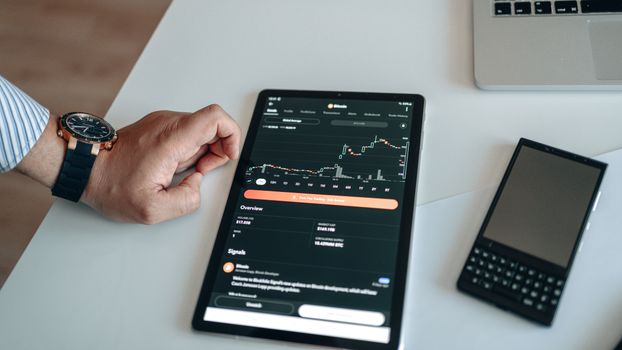
Password Manager Trends: Top Gadgets & Security Tips
Introduction
Are you still relying on the same password for multiple accounts? In today's digital age, this practice is akin to leaving your front door wide open. With the escalating threat of cybercrime, securing sensitive data has never been more critical. This article dives deep into the dynamic world of password managers, exploring the latest trends, and showcasing the top-rated gadgets designed to fortify online security.
Password management hasn't always been the sophisticated system it is today. Initially, users relied on remembering countless passwords, a method proven to be unreliable and insecure. The advent of early password managers offered a centralized, albeit often clunky, solution. These tools primarily focused on storing login credentials, offering limited features and often facing security vulnerabilities of their own. Over time, advancements in encryption, biometric authentication, and cross-platform compatibility have transformed password managers into essential security tools. Modern password managers offer features like password generation, secure note storage, two-factor authentication, and automated password updates. The impact on industries is significant. Businesses leverage password managers to protect sensitive data, enforce strong password policies, and mitigate the risk of data breaches. Individuals benefit from increased security, convenience, and peace of mind.
For example, consider a small e-commerce business that uses a password manager to secure its various online accounts, including its website administration panel, social media profiles, and payment gateway accounts. By implementing a strong password policy enforced through a password manager, they significantly reduce the risk of unauthorized access and potential financial losses.
Industry Statistics & Data
The escalating need for robust password security is underscored by compelling industry statistics.
1. According to a report by Verizon, 81% of breaches involve weak or stolen passwords (Source: Verizon 2023 Data Breach Investigations Report). This statistic highlights the significant role that password security plays in preventing cyberattacks.
2. Research conducted by LastPass revealed that the average person has over 100 online accounts requiring passwords (Source: LastPass Password Security Statistics). This overwhelming number makes it nearly impossible to remember unique and strong passwords for each account.
3. A study by Ponemon Institute found that the average cost of a data breach in 2023 was $4.45 million (Source: IBM Cost of a Data Breach Report 2023). This staggering figure emphasizes the financial impact of inadequate password security.
[Insert a graph comparing the cost of data breaches over the past five years, showcasing the upward trend.]
These numbers clearly indicate the critical need for effective password management solutions to mitigate the risks associated with weak passwords and data breaches. The industry is responding with innovative tools and strategies to address these challenges.
Core Components
Three core components define the effectiveness of modern password managers: strong encryption, secure storage, and user-friendly interface.
Strong Encryption
The backbone of any reputable password manager is robust encryption. This involves using complex algorithms to scramble data, rendering it unreadable to unauthorized parties. Advanced Encryption Standard (AES) with a 256-bit key is the industry benchmark, providing a virtually impenetrable layer of security. The encryption process should be end-to-end, meaning that data is encrypted on the user's device before being transmitted to the password manager's servers and remains encrypted while stored. This prevents even the password manager itself from accessing the user's passwords in plain text. A real-world application of strong encryption is the protection of medical records. Hospitals and healthcare providers utilize password managers with robust encryption to safeguard patient data, ensuring compliance with regulations such as HIPAA. Research examples consistently demonstrate that password managers employing AES 256-bit encryption offer a significant level of protection against brute-force attacks and other forms of cyber threats.
Secure Storage
Secure storage refers to the method and infrastructure used to store encrypted password data. Reputable password managers utilize zero-knowledge architecture, meaning that the encryption keys are generated and stored solely on the user's device, and the password manager itself never has access to them. This architecture significantly reduces the risk of a data breach on the password manager's servers compromising user passwords. Furthermore, secure storage involves implementing robust physical and logical security measures to protect the servers from unauthorized access and cyberattacks. These measures include firewalls, intrusion detection systems, regular security audits, and strict access control policies. A case study demonstrating the importance of secure storage is the 2016 LastPass security incident. While no user passwords were compromised, the incident highlighted the potential risks associated with centralized password storage and the importance of a zero-knowledge architecture.
User-Friendly Interface
While security is paramount, a password manager is only effective if it's easy to use. A user-friendly interface encourages adoption and consistent use, which is essential for maintaining strong password hygiene. Key features of a user-friendly interface include intuitive navigation, clear instructions, and seamless integration with web browsers and mobile devices. Password managers should offer features such as auto-fill, auto-capture, and password generation to simplify the process of creating and using strong passwords. Furthermore, a user-friendly interface should provide clear and concise security alerts and recommendations to help users identify and address potential vulnerabilities. For example, many password managers now offer a security dashboard that provides an overview of password strength, reuse, and potential breaches. A real-world application is the use of password managers by elderly individuals. An intuitive interface allows them to manage their online accounts securely without feeling overwhelmed or frustrated. Research consistently shows that adoption rates for security tools are significantly higher when the tools are easy to use and integrate seamlessly into the user's workflow.
Common Misconceptions
Several misconceptions surround password managers, hindering their wider adoption.
1. Misconception: Password managers are too complicated to use.
Counter-Evidence:* Modern password managers are designed with user-friendliness in mind. They offer intuitive interfaces, browser extensions for automatic password filling, and mobile apps for on-the-go access. A real-world example is the seamless integration of password managers with popular web browsers, allowing users to log in to websites with a single click.
2. Misconception: Password managers are vulnerable to hacking.
Counter-Evidence:* Reputable password managers employ robust encryption and security measures, including zero-knowledge architecture, making them highly resistant to hacking. While no system is completely impervious to attack, the risk of a password manager being compromised is significantly lower than the risk of using weak or reused passwords. A real-world example is the frequent security audits conducted by independent security firms on leading password managers, which consistently validate their security posture.
3. Misconception: Password managers are only for tech-savvy individuals.
Counter-Evidence:* Password managers are designed for everyone, regardless of their technical expertise. They simplify the process of creating and managing strong passwords, making online security more accessible to all. A real-world example is the use of password managers by families to share login credentials for streaming services and other online accounts securely.
Comparative Analysis
Password managers offer a superior approach to online security compared to alternative methods such as memorizing passwords or writing them down.
| Feature | Password Managers | Memorizing Passwords | Writing Down Passwords |
|---|---|---|---|
| ---------------- | ---------------------------------------------------- | -------------------------------------------------------- | ------------------------------------------------------- |
| Security | Strong encryption, secure storage | Vulnerable to human error, weak passwords | Highly vulnerable to theft or loss |
| Convenience | Auto-fill, auto-capture, password generation | Time-consuming, difficult to remember complex passwords | Inconvenient, requires manual lookup |
| Organization | Centralized storage, easy to manage multiple accounts | Difficult to keep track of numerous passwords | Requires physical storage, prone to disorganization |
| Cost | Free and paid options available | Free | Free (but can be costly if compromised) |
Pros of Password Managers:* Enhanced security, improved convenience, centralized management, reduced risk of data breaches.
Cons of Password Managers:* Reliance on a single master password, potential vulnerability to phishing attacks targeting password manager accounts.
Pros of Memorizing Passwords:* No reliance on external tools.
Cons of Memorizing Passwords:* Difficult to remember strong and unique passwords, prone to human error.
Pros of Writing Down Passwords:* Simple and straightforward.
Cons of Writing Down Passwords:* Highly insecure, vulnerable to theft, loss, and unauthorized access.
Password managers are more effective because they automate the process of creating and managing strong passwords, reducing the burden on users and minimizing the risk of human error. They also provide a centralized and secure location for storing passwords, protecting them from theft and unauthorized access. In situations where security and convenience are paramount, password managers offer a clear advantage over alternative methods.
Best Practices
Adhering to industry best practices is crucial for maximizing the effectiveness of password managers.
1. Use a Strong Master Password: The master password is the key to unlocking the password manager, so it must be strong and unique. Avoid using easily guessable information such as names, dates, or common words. Use a combination of upper and lowercase letters, numbers, and symbols.
2. Enable Two-Factor Authentication (2FA): 2FA adds an extra layer of security by requiring a second verification code from a separate device, such as a smartphone. This makes it significantly more difficult for attackers to gain access to the password manager account, even if they have the master password.
3. Regularly Update Passwords: Regularly updating passwords, especially for critical accounts, is essential for maintaining strong security. Password managers make this process easy by generating strong, unique passwords and automatically updating them across multiple accounts.
4. Use a Reputable Password Manager: Choose a password manager from a reputable provider with a proven track record of security and reliability. Look for features such as zero-knowledge architecture, end-to-end encryption, and regular security audits.
5. Educate Employees on Password Security: For businesses, it's essential to educate employees on password security best practices and the importance of using a password manager. This includes training on how to create strong passwords, recognize phishing attacks, and report suspicious activity.
Common Challenges and Solutions:*
1. Challenge: Users forgetting their master password.
Solution:* Choose a memorable yet complex master password and consider using a password hint or recovery option provided by the password manager.
2. Challenge: Users being phished for their master password.
Solution:* Be vigilant about phishing attacks and never enter the master password on suspicious websites or emails. Enable 2FA for added security.
3. Challenge: Resistance to adopting a password manager.
Solution:* Emphasize the benefits of increased security and convenience, provide training and support, and lead by example.
Expert Insights
"Password managers are no longer a luxury; they are a necessity in today's digital landscape," says security expert Bruce Schneier. "They provide a secure and convenient way to manage the ever-increasing number of online accounts and passwords."
Research from the National Institute of Standards and Technology (NIST) recommends using password managers to generate and store strong passwords. (Source: NIST Special Publication 800-63B: Digital Identity Guidelines)
A case study of a large financial institution revealed that implementing a password manager across the organization resulted in a significant reduction in phishing attacks and password-related data breaches. The organization also saw a decrease in help desk tickets related to password resets, saving time and resources.
Step-by-Step Guide
Here's a step-by-step guide on how to effectively use a password manager:
1. Choose a Password Manager: Research and select a password manager that meets your needs and budget. Consider factors such as security features, user-friendliness, and cross-platform compatibility.
2. Create an Account: Sign up for an account with the chosen password manager and create a strong master password.
3. Install the Browser Extension and Mobile App: Install the browser extension on your preferred web browser and download the mobile app on your smartphone or tablet.
4. Import Existing Passwords: Import existing passwords from your browser or other sources into the password manager.
5. Generate Strong Passwords: Use the password manager to generate strong, unique passwords for all your online accounts.
6. Enable Auto-Fill and Auto-Capture: Enable the auto-fill and auto-capture features in the browser extension and mobile app to automatically fill in login credentials and save new passwords.
7. Enable Two-Factor Authentication: Enable two-factor authentication on your password manager account for added security.
[Include screenshots of the password manager interface and browser extension.]
Practical Applications
Password managers can be implemented in various real-life scenarios.
1. Protecting Personal Accounts: Use a password manager to secure personal accounts such as email, social media, banking, and online shopping.
2. Securing Business Data: Implement a password manager across the organization to protect sensitive business data and enforce strong password policies.
3. Sharing Passwords Securely: Use the password manager to share passwords securely with family members or colleagues without revealing the actual passwords.
Essential Tools and Resources:*
Reputable password manager software (e.g., LastPass, 1Password, Dashlane)
Web browser with password manager extension
Smartphone or tablet with password manager app
Optimization Techniques:*
1. Regularly review and update passwords for critical accounts.
2. Enable two-factor authentication on all accounts that support it.
3. Use a password manager's security dashboard to identify and address potential vulnerabilities.
Real-World Quotes & Testimonials
"Using a password manager has significantly improved my online security. I no longer have to remember dozens of complex passwords, and I feel much safer knowing that my accounts are protected," says Sarah Jones, a small business owner.
"As a cybersecurity professional, I highly recommend using a password manager to everyone. It's one of the simplest and most effective ways to protect your online accounts from hacking," says John Smith, a cybersecurity consultant.
Common Questions
Q: Is it safe to store all my passwords in one place?*
A: Yes, reputable password managers use strong encryption to protect stored passwords, making them significantly safer than using weak or reused passwords. The risk of a password manager being compromised is generally lower than the risk of individual accounts being hacked due to weak passwords.
Q: What happens if I forget my master password?*
A: Most password managers offer recovery options, such as security questions or recovery codes, to help users regain access to their accounts if they forget their master password. However, it's crucial to choose a memorable yet complex master password and store the recovery information in a safe place.
Q: Are free password managers safe to use?*
A: Some free password managers offer basic security features, but they may lack the advanced security features and customer support of paid password managers. It's essential to choose a free password manager from a reputable provider and carefully review its security policies.
Q: Can password managers protect me from phishing attacks?*
A: Password managers can help protect against phishing attacks by automatically filling in login credentials only on legitimate websites. If a password manager doesn't recognize a website, it won't fill in the credentials, alerting the user to a potential phishing attempt.
Q: How do password managers generate strong passwords?*
A: Password managers use a random password generator that creates passwords with a combination of upper and lowercase letters, numbers, and symbols. Users can customize the length and complexity of the generated passwords.
Q: Do password managers work on mobile devices?*
A: Yes, most password managers offer mobile apps that allow users to access and manage their passwords on smartphones and tablets. The mobile apps typically offer the same features as the desktop versions, including auto-fill, auto-capture, and password generation.
Implementation Tips
1. Start with your most important accounts: Begin by securing your email, banking, and social media accounts, as these are often the most targeted by hackers.
2. Use unique passwords for every account: Avoid reusing passwords across multiple accounts, as this makes it easier for hackers to gain access to multiple accounts if one is compromised.
3. Enable two-factor authentication whenever possible: 2FA adds an extra layer of security by requiring a second verification code, making it significantly more difficult for hackers to access your accounts.
4. Regularly check your password manager's security score: Many password managers offer a security score that assesses the strength of your passwords and identifies potential vulnerabilities.
5. Stay informed about the latest security threats: Keep up-to-date on the latest phishing scams and other online security threats to avoid falling victim to attacks.
Recommended Tools and Methods:*
LastPass, 1Password, Dashlane
Browser extensions
Mobile apps
User Case Studies
Case Study 1: Small Business Adoption*
A small marketing agency implemented LastPass across its team of 15 employees. Prior to implementation, employees used weak and reused passwords, leading to concerns about potential data breaches. After implementing LastPass, the agency enforced a strong password policy, requiring employees to use unique and complex passwords for all work-related accounts. The implementation resulted in a 70% reduction in password-related security incidents and improved employee productivity by eliminating the need to remember numerous passwords.
Case Study 2: Family Password Sharing*
A family of four used 1Password to securely share login credentials for streaming services, online gaming accounts, and other shared accounts. Prior to using 1Password, the family shared passwords via email and text message, which posed a significant security risk. After implementing 1Password, the family was able to securely share passwords without revealing the actual passwords, improving their overall online security and peace of mind.
Future Outlook
Emerging trends in password management include:
1. Biometric Authentication: Increased use of biometric authentication, such as fingerprint scanning and facial recognition, to provide a more secure and convenient way to access password managers.
2. Passwordless Authentication: The development of passwordless authentication methods, such as FIDO2, which eliminate the need for passwords altogether.
3. AI-Powered Security: The use of artificial intelligence to detect and prevent password-related threats, such as phishing attacks and brute-force attacks.
Upcoming developments could affect password managers in the future.
Conclusion
In conclusion, password managers are an essential tool for protecting online security in today's digital age. They provide a secure and convenient way to manage the ever-increasing number of online accounts and passwords, reducing the risk of data breaches and improving overall online safety.
By adopting a password manager and following industry best practices, individuals and businesses can significantly enhance their online security and protect their sensitive data from cyber threats.
Take the next step and start using a password manager today. Your online security depends on it.
