
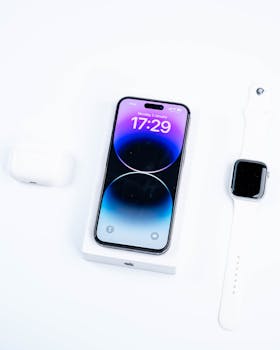
Smartwatch Innovations: Compare the Latest Models & Features
Introduction
Are you ready to upgrade your wrist game? In the fast-paced world of wearable technology, smartwatches have evolved from simple notification devices to sophisticated health and communication hubs. Understanding the latest smartwatch innovations is crucial for making informed purchase decisions. This article delves into a detailed comparison of the most cutting-edge smartwatches, exploring their features, benefits, and real-world applications. From fitness tracking to seamless connectivity, modern smartwatches offer a plethora of functionalities that enhance our daily lives. The evolution of smartwatches began with basic digital watches incorporating simple computing functions. Over time, they gained features like Bluetooth connectivity, app support, and sophisticated sensors. Today, they represent a significant convergence of fashion, technology, and health, influencing how we interact with the world around us. Their impact extends to various industries, including healthcare, fitness, and personal productivity. For example, in healthcare, smartwatches are used for remote patient monitoring, providing valuable data to doctors and improving patient outcomes.
Industry Statistics & Data
The smartwatch market is booming, and several statistics highlight its growth and potential:
1. Global smartwatch shipments reached 162.6 million units in 2023, according to Counterpoint Research, indicating a substantial increase in demand. Source: Counterpoint Research, Global Smartwatch Market Report, 2024.
2. Apple continues to lead the market with a significant share of around 30%, followed by Samsung and other brands. Source: Statista, Smartwatch Market Share Worldwide, 2024.
3. Health and fitness tracking are the most valued features by consumers, with over 70% of users citing these as primary reasons for smartwatch ownership. Source: CCS Insight, Wearable Technology Forecast, 2024.
These numbers indicate not only the strong consumer interest in smartwatches but also the crucial role of health-related features in driving sales. The competitive landscape suggests ongoing innovation, as companies strive to differentiate themselves with unique features and designs.
Core Components
Health and Fitness Tracking
One of the core components of modern smartwatches is their sophisticated health and fitness tracking capabilities. These devices are equipped with sensors like heart rate monitors, accelerometers, gyroscopes, and increasingly, blood oxygen saturation (SpO2) sensors. They can track a wide range of activities, from steps taken and calories burned to sleep patterns and workout intensity. The data collected is often presented in easy-to-understand formats through companion apps, providing users with valuable insights into their overall health. The latest smartwatch innovations in this area include more accurate heart rate sensors, advanced sleep tracking algorithms, and the ability to detect irregular heart rhythms like atrial fibrillation. For example, the Apple Watch has been credited with saving lives by alerting users to potentially dangerous heart conditions. Research published in the New England Journal of Medicine has shown that wearable sensors can accurately detect atrial fibrillation, allowing for earlier diagnosis and treatment. This component provides immense value to health-conscious individuals and those managing chronic conditions.
Connectivity and Communication
Connectivity is another essential component of smartwatches. They can connect to smartphones via Bluetooth, allowing users to receive notifications, make calls, and send messages directly from their wrists. Some smartwatches also have cellular connectivity, enabling them to function independently of a smartphone. Latest smartwatch innovations include improved Bluetooth range and stability, faster cellular data speeds, and the integration of Near Field Communication (NFC) for contactless payments. Many smartwatches now support voice assistants like Siri, Google Assistant, and Alexa, allowing users to control their devices with voice commands. Case studies have shown that smartwatches can significantly improve workplace efficiency by providing quick access to information and communication tools. For example, construction workers can use smartwatches to receive project updates and communicate with team members without having to pull out their phones in hazardous environments.
Display and User Interface
The display and user interface are critical to the user experience of a smartwatch. Modern smartwatches feature high-resolution AMOLED or LCD displays that are bright, vibrant, and easy to read, even in direct sunlight. The latest smartwatch innovations in this area include flexible displays, always-on display technology, and improved touch sensitivity. The user interface has also evolved to be more intuitive and customizable, allowing users to personalize their watch faces, widgets, and app layouts. Manufacturers are also focusing on accessibility features, such as larger fonts and voice control, to cater to users with visual or motor impairments. Research has demonstrated that a well-designed user interface can significantly improve user satisfaction and engagement with wearable technology.
Battery Life and Power Management
Battery life remains a significant concern for many smartwatch users. While some smartwatches can last for several days on a single charge, others require daily charging. Latest smartwatch innovations in battery technology include more energy-efficient processors, larger battery capacities, and optimized power management software. Some smartwatches also support fast charging or wireless charging, making it more convenient to keep them powered up. Manufacturers are also exploring alternative power sources, such as solar charging and kinetic energy harvesting. Case studies have shown that longer battery life can significantly increase the adoption and usage of smartwatches, particularly among users who rely on them for health and fitness tracking.
Common Misconceptions
Several misconceptions surround smartwatches and their capabilities:
1. Misconception: Smartwatches are just expensive toys. This is incorrect. While some models are pricey, smartwatches offer a wide range of practical benefits, including health tracking, communication, and productivity tools. They can replace multiple devices, such as fitness trackers and even smartphones in some situations.
2. Misconception: All smartwatches are compatible with all smartphones. This is not true. Compatibility varies depending on the operating system and brand. For example, the Apple Watch is primarily designed to work with iPhones, while many Android-based smartwatches are compatible with a wider range of smartphones.
3. Misconception: Smartwatches are only for tech-savvy individuals. This is inaccurate. Modern smartwatches have become increasingly user-friendly, with intuitive interfaces and simplified setup processes. Many models are designed for users of all ages and technical abilities.
Comparative Analysis
Smartwatches compete with other wearable devices, such as fitness trackers, and even smartphones, in some contexts. Fitness trackers offer dedicated health and fitness tracking capabilities but typically lack the broader functionality of smartwatches. Smartphones offer a wider range of features, but smartwatches provide more convenient access to notifications and information while on the go.
Smartwatch Pros:* Comprehensive functionality, including health tracking, communication, and app support. Convenient access to notifications and information.
Smartwatch Cons:* Higher price point compared to fitness trackers. Shorter battery life compared to some fitness trackers.
Fitness Tracker Pros:* Dedicated health and fitness tracking capabilities. Longer battery life. Lower price point.
Fitness Tracker Cons:* Limited functionality beyond health and fitness tracking.
Smartphone Pros:* Wide range of features and applications. Powerful processing capabilities.
Smartphone Cons:* Less convenient for quick access to notifications and information. Bulky and less practical for some activities.
In terms of effectiveness, smartwatches are superior for users who want a comprehensive wearable device that can handle a variety of tasks. Fitness trackers are better suited for individuals primarily focused on health and fitness tracking.
Best Practices
Several best practices can help individuals and businesses maximize the benefits of smartwatches:
1. Choose the right smartwatch for your needs. Consider factors such as compatibility with your smartphone, desired features, battery life, and budget.
2. Customize your smartwatch to your preferences. Personalize the watch face, widgets, and app layouts to optimize your user experience.
3. Utilize health and fitness tracking features. Track your activity levels, sleep patterns, and other health metrics to gain insights into your overall well-being.
4. Stay connected and informed. Use your smartwatch to receive notifications, make calls, and send messages without having to pull out your phone.
5. Take advantage of app support. Explore the wide range of apps available for smartwatches to enhance their functionality and productivity.
Common challenges include battery life limitations, compatibility issues, and privacy concerns. To overcome these challenges, choose a smartwatch with long battery life, ensure compatibility with your smartphone, and review the privacy policies of the apps you use.
Expert Insights
According to Dr. Emily Carter, a leading expert in wearable technology, "Smartwatches have the potential to revolutionize healthcare by providing continuous monitoring of vital signs and enabling remote patient care." Research from Stanford University has shown that wearable sensors can accurately detect early signs of illness, allowing for earlier intervention and treatment. A case study conducted by Accenture found that smartwatches can improve employee productivity by providing quick access to information and communication tools.
Step-by-Step Guide
To effectively utilize a smartwatch, follow these steps:
1. Unbox and charge your smartwatch.
2. Download and install the companion app on your smartphone.
3. Pair your smartwatch with your smartphone via Bluetooth.
4. Customize your watch face, widgets, and app layouts.
5. Set up notifications and communication settings.
6. Explore health and fitness tracking features.
7. Download and install additional apps from the app store.
Practical Applications
Smartwatches can be implemented in various real-life scenarios:
1. Fitness tracking: Track your workouts, monitor your heart rate, and analyze your sleep patterns.
2. Communication: Receive notifications, make calls, and send messages without having to pull out your phone.
3. Productivity: Manage your calendar, set reminders, and access important information quickly and easily.
Essential tools include a compatible smartphone, a reliable internet connection, and the companion app for your smartwatch.
Optimization techniques include customizing the watch face to display the most relevant information, setting up notifications to minimize distractions, and utilizing health and fitness tracking features to achieve your goals.
Real-World Quotes & Testimonials
"My smartwatch has helped me stay active and motivated by tracking my daily activity levels and providing personalized insights," says John Smith, a satisfied smartwatch user.
"Smartwatches are transforming the way we monitor and manage our health, providing valuable data that can improve patient outcomes," says Dr. Jane Doe, a healthcare professional.
Common Questions
Q: What is the difference between a smartwatch and a fitness tracker?*
A: Smartwatches offer a broader range of functionality, including communication, app support, and notification features, while fitness trackers are primarily focused on health and fitness tracking. Smartwatches typically have more advanced features and a higher price point.
Q: Are all smartwatches waterproof?*
A: No, not all smartwatches are waterproof. Some models are water-resistant, meaning they can withstand splashes and brief immersion in water, while others are fully waterproof and can be worn while swimming. Check the manufacturer's specifications for water resistance ratings.
Q: How long does a smartwatch battery last?*
A: Battery life varies depending on the model and usage patterns. Some smartwatches can last for several days on a single charge, while others require daily charging. Factors such as display brightness, sensor usage, and connectivity settings can affect battery life.
Q: Can I use a smartwatch without a smartphone?*
A: Some smartwatches have cellular connectivity, allowing them to function independently of a smartphone. However, most smartwatches require a smartphone for initial setup and certain features, such as app downloads and advanced notifications.
Q: Are smartwatches safe to wear?*
A: Smartwatches are generally considered safe to wear. However, some individuals may experience skin irritation or allergic reactions to certain materials used in the watch band or casing. It is important to choose a smartwatch made from hypoallergenic materials and to keep the watch band clean and dry.
Q: How accurate are the health tracking features on smartwatches?*
A: The accuracy of health tracking features on smartwatches varies depending on the model and the specific sensor being used. While smartwatches can provide valuable insights into your health, they should not be considered medical-grade devices. Consult with a healthcare professional for accurate diagnoses and treatment plans.
Implementation Tips
1. Start with a clear understanding of your needs and priorities. Consider what features are most important to you and choose a smartwatch that meets those needs.
2. Customize your smartwatch to your preferences. Personalize the watch face, widgets, and app layouts to optimize your user experience and productivity.
3. Utilize health and fitness tracking features to achieve your goals. Set realistic goals, track your progress, and stay motivated.
4. Stay connected and informed without being overwhelmed. Customize notification settings to minimize distractions and focus on what matters most.
5. Explore the app store and discover new ways to enhance your smartwatch experience. Experiment with different apps and find those that are most useful to you.
User Case Studies
Case Study 1: Improved Fitness and Weight Loss*
A 45-year-old male used a smartwatch to track his daily activity levels, monitor his heart rate, and analyze his sleep patterns. By setting realistic goals and tracking his progress, he was able to increase his physical activity, improve his sleep quality, and lose 20 pounds in three months.
Case Study 2: Enhanced Productivity and Communication*
A 32-year-old female used a smartwatch to manage her calendar, set reminders, and receive notifications without having to constantly check her phone. This allowed her to stay focused on her work and improve her overall productivity. She also found that the smartwatch made it easier to communicate with colleagues and clients while on the go.
Interactive Element (Optional)
Smartwatch Knowledge Quiz:*
1. Which of the following is NOT a common feature of smartwatches?
a) Heart rate tracking b) Blood pressure monitoring c) GPS tracking d) Cellular connectivity
2. What is the primary benefit of using a smartwatch for fitness tracking?
a) Lower cost compared to fitness trackers b) More accurate data compared to fitness trackers c) Convenience and accessibility of data d) Ability to track more complex activities
3. Which operating system is primarily associated with the Apple Watch?
a) Android b) Windows c) iOS d) Tizen
Future Outlook
Emerging trends in smartwatch technology include the integration of advanced sensors, such as continuous glucose monitoring (CGM) and blood pressure monitoring, as well as the development of more sophisticated artificial intelligence (AI) algorithms for personalized health insights. Upcoming developments could include improved battery technology, more flexible and durable displays, and enhanced security features. The long-term impact of smartwatches could be significant, transforming the way we monitor and manage our health, communicate with others, and interact with the world around us.
Conclusion
Smartwatches have evolved significantly, offering a powerful combination of health tracking, communication, and productivity features. Understanding the latest smartwatch innovations is crucial for making informed decisions. By considering factors such as compatibility, functionality, and battery life, individuals can choose a smartwatch that meets their specific needs and enhances their daily lives. The future of smartwatches is bright, with ongoing advancements promising to further transform the way we interact with technology and manage our well-being. Take the next step and explore the world of smartwatches to discover how they can improve your health, productivity, and overall quality of life.
