
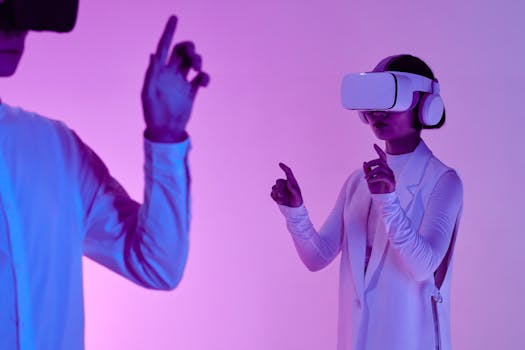
VR Gaming Trends: Beginner's Guide to Game-Changing VR Advancements
Is the future of gaming already here? It is, and it's virtual! This guide delves into the game-changing advancements in VR gaming, revealing how this technology is reshaping entertainment and beyond.
Introduction
Ready to step into a new reality? Virtual Reality (VR) gaming isn't just a novelty; it's a transformative force poised to redefine how experiences are consumed. This "Beginner's Guide to VR Gaming Trends: Game-changing Advancements" provides a roadmap through this exciting landscape. VR gaming transports players to immersive, interactive worlds. Its rise has spurred technological innovation and altered the gaming landscape. The technology involves creating a simulated environment presented to users in a way that they perceive it as real.
Initially a concept confined to science fiction, VR began its journey in the mid-20th century with clunky prototypes like Sensorama. Early VR systems were expensive and limited in their capabilities, mainly used for research and training purposes. The late 20th and early 21st centuries witnessed slow but steady progress, with advances in computing power and display technology gradually improving the VR experience. A significant turning point occurred in the early 2010s with the emergence of more accessible and affordable VR headsets, such as the Oculus Rift, which helped to reignite interest in the technology. Today, VR gaming has become a multi-billion dollar industry, and is continuing to evolve.
The benefits of VR gaming extend beyond simple entertainment. Enhanced immersion leads to increased engagement and a deeper sense of presence within the game. VR can also improve cognitive skills, spatial reasoning, and reaction times. Further applications include training simulations for surgeons, pilots, and soldiers, where the immersive environment allows users to practice complex tasks without real-world risks. Take, for example, the game Beat Saber, that blends rhythm-based gameplay with immersive VR visuals, providing a unique and engaging fitness experience. The impact of VR gaming reaches far beyond entertainment, influencing education, healthcare, and professional training sectors.
Industry Statistics & Data
The VR gaming market is rapidly expanding, demonstrating the growing appeal and investment in this technology. Recent data highlights the considerable momentum and future potential of this innovative sector.
1. Market Size: According to a report by Statista, the global VR gaming market was valued at approximately $11.57 billion in 2022 and is projected to reach $52.05 billion by 2029, growing at a CAGR of 24.1% from 2023 to 2029.
2. Headset Sales: IDC reports that global shipments of VR headsets reached 8.8 million units in 2022, indicating strong consumer demand for VR technology and games.
3. User Engagement: A survey conducted by Greenlight Insights found that VR gamers spend an average of 22 hours per month playing VR games, highlighting the high level of engagement that VR gaming offers.
These numbers reflect that VR gaming is not just a niche market; it’s a burgeoning industry attracting substantial investment and consumer interest. The projected growth indicates the increasing role VR gaming will play in the broader gaming and entertainment industries. The high level of user engagement further solidifies the potential for developers and companies to create immersive and compelling VR gaming experiences.
Core Components
VR gaming relies on several key components that work together to create an immersive and interactive experience. These components include VR headsets, motion tracking, and interactive environments.
VR Headsets
VR headsets are the primary interface through which users experience virtual reality. These headsets typically feature two high-resolution displays, one for each eye, to create a stereoscopic 3D image. The headsets also include lenses to focus and magnify the images, filling the user's field of view. Integrated headphones or the option to connect external headphones provide spatial audio, enhancing the sense of immersion by placing sounds accurately within the virtual environment. Modern headsets often include built-in microphones for communication with other players in multiplayer games. High-quality headsets also have adjustable straps and padding to ensure a comfortable fit for extended use. Higher refresh rates and resolutions are becoming increasingly common as the technology continues to develop.
The Oculus Quest 2 (Meta Quest 2) is an example of how VR headsets have become more accessible. Its wireless design and built-in processing power have significantly reduced the barrier to entry for new users. The headset’s ease of use and affordable price have made it a popular choice for both casual and serious VR gamers. Research indicates that improved headset ergonomics and visual fidelity lead to longer and more enjoyable VR gaming sessions, driving further adoption of the technology.
Motion Tracking
Motion tracking is a crucial component of VR gaming, enabling users to interact with the virtual environment in a natural and intuitive way. Motion tracking systems use a variety of technologies, including infrared sensors, cameras, and inertial measurement units (IMUs), to track the position and orientation of the headset and controllers. The tracked movements are then translated into corresponding actions within the virtual world. Accurate motion tracking is essential for creating a sense of presence and immersion, as it allows users to move and interact as they would in the real world. Motion tracking also allows for gameplay actions such as pointing, grabbing, and throwing objects in the virtual environment.
Valve's Index VR system uses "base stations" that emit infrared light to track the position and orientation of the headset and controllers. This system provides precise and low-latency tracking, resulting in a more responsive and immersive gaming experience. A study published in the journal Presence: Teleoperators and Virtual Environments found that precise motion tracking significantly enhances users' sense of presence in VR environments, leading to greater engagement and enjoyment.
Interactive Environments
Interactive environments are virtual worlds that respond to the user's actions, creating a dynamic and engaging experience. These environments are typically created using 3D modeling software and game engines, such as Unity and Unreal Engine. Interactive elements can include objects that can be manipulated, environments that change based on user input, and non-player characters (NPCs) that react to the user's presence and actions. The level of interactivity within a VR environment can significantly impact the sense of immersion and engagement.
Games like Half-Life: Alyx showcase the potential of interactive VR environments. The game features detailed and realistic environments with a high degree of interactivity, allowing players to manipulate objects, solve puzzles, and engage with the world in meaningful ways. Research from Stanford University's Virtual Human Interaction Lab indicates that interactive VR environments can enhance learning and training outcomes by providing realistic and engaging simulations of real-world scenarios.
Common Misconceptions
Despite the growing popularity of VR gaming, several misconceptions persist about its capabilities and limitations. Addressing these misconceptions is crucial for fostering a more informed understanding of VR technology.
Misconception 1: VR Causes Motion Sickness for Everyone
While some users experience motion sickness in VR, it is not a universal issue. Motion sickness in VR typically arises from a mismatch between what the eyes see and what the body feels. Improvements in headset technology, such as higher refresh rates and lower latency, have significantly reduced this issue. Additionally, developers are implementing techniques like reducing artificial locomotion and providing stable visual cues to minimize motion sickness.
Counter-evidence includes the growing number of VR games designed with comfort in mind, featuring teleportation movement systems and static cockpit views. For example, games like Moss offer a seated experience with a third-person perspective, minimizing the risk of motion sickness. Studies have shown that with proper settings and comfortable gameplay design, the majority of users can enjoy VR without experiencing significant discomfort.
Misconception 2: VR Gaming is Too Expensive
The initial cost of VR equipment was a significant barrier to entry for many consumers. However, the price of VR headsets and accessories has decreased substantially in recent years, making VR gaming more accessible. Standalone headsets, like the Meta Quest 2, offer a complete VR experience without the need for a high-end PC, further reducing the cost.
Counter-evidence includes the availability of affordable VR headsets and the increasing number of free or low-cost VR games and experiences. In addition, the rise of VR arcades and entertainment centers provides an alternative way to experience VR without investing in personal equipment. The long-term cost can also be offset by the diverse applications of VR, including fitness, education, and training.
Misconception 3: VR Gaming is Just a Fad
Some critics dismiss VR gaming as a temporary trend that will eventually fade away. However, the sustained growth of the VR market, coupled with ongoing technological advancements and increasing investment from major tech companies, suggests that VR gaming is here to stay. The diverse applications of VR technology beyond gaming, such as in healthcare, education, and enterprise training, further solidify its long-term viability.
Counter-evidence includes the continuous development of new VR hardware and software, the increasing adoption of VR in various industries, and the growing community of VR enthusiasts and developers. Companies like Meta, Sony, and HTC continue to invest heavily in VR technology, signaling their belief in its future potential. The increasing number of AAA game developers creating VR titles demonstrates the growing confidence in the VR gaming market.
Comparative Analysis
VR gaming offers a unique and immersive gaming experience compared to traditional gaming platforms. Analyzing the pros and cons of each can provide insights into their respective strengths and weaknesses.
VR Gaming vs. Traditional PC/Console Gaming
Traditional PC and console gaming have dominated the gaming industry for decades, offering a wide range of genres, high-quality graphics, and established online communities. However, these platforms typically provide a two-dimensional gaming experience, lacking the immersive and interactive qualities of VR.
Pros of Traditional Gaming:*
Wider range of game titles and genres.
Established online communities and multiplayer experiences.
Lower initial cost of hardware (in some cases).
Higher graphical fidelity on high-end PCs and consoles.
Cons of Traditional Gaming:*
Limited immersion and interactivity.
Lack of physical engagement and spatial awareness.
Can be less engaging for some players.
Pros of VR Gaming:*
High level of immersion and presence.
Intuitive and natural interaction with the game world.
Potential for physical activity and engagement.
Unique and innovative gameplay experiences.
Cons of VR Gaming:*
Higher initial cost of hardware.
Limited game library compared to traditional gaming.
Potential for motion sickness in some users.
Requires more physical space for setup and gameplay.
VR Gaming vs. Augmented Reality (AR) Gaming
Augmented Reality (AR) gaming overlays digital content onto the real world, creating a mixed reality experience. While AR gaming offers unique benefits, such as portability and integration with real-world environments, it differs significantly from VR in terms of immersion and interactivity.
Pros of AR Gaming:*
Integration with real-world environments.
Portability and ease of use on mobile devices.
Potential for social interaction in shared physical spaces.
Cons of AR Gaming:*
Lower level of immersion compared to VR.
Limited interaction with virtual content.
Can be distracting or disruptive in public spaces.
Advantages of VR Gaming over Traditional and AR Gaming:*
VR gaming offers a superior level of immersion and interactivity compared to both traditional PC/console gaming and AR gaming. The ability to completely replace the user's visual and auditory senses allows for a more compelling and engaging gaming experience. While VR gaming may have a higher initial cost and a smaller game library, the unique and innovative gameplay experiences it offers make it a worthwhile investment for many gamers. VR gaming provides physical activity and engaging experiences that are not possible in the others.
Best Practices
Implementing best practices is crucial for ensuring a positive and effective VR gaming experience. Adhering to industry standards can improve user comfort, maximize immersion, and minimize potential issues.
Industry Standards
1. Comfort Settings: Provide users with adjustable comfort settings, such as adjustable inter-pupillary distance (IPD) and customizable movement options (teleportation, smooth locomotion).
2. High Refresh Rate: Maintain a high refresh rate (90Hz or higher) to minimize latency and reduce the risk of motion sickness.
3. User Tutorials: Offer clear and comprehensive tutorials to guide new users through the basic controls and interactions.
4. Ergonomic Design: Design VR environments and interactions that are intuitive and comfortable for extended use, minimizing physical strain.
5. Content Warnings: Provide content warnings for potentially triggering or sensitive content, allowing users to make informed decisions about their experience.
Implementation for Businesses/Individuals
Businesses and individuals can implement these best practices by investing in high-quality VR equipment, prioritizing user comfort in game design, and staying informed about the latest VR technology and research. Developers should also actively solicit user feedback to identify and address any issues or concerns.
Common Challenges & Solutions
1. Motion Sickness: One common challenge is motion sickness. Addressing this challenge involves optimizing refresh rates and minimizing artificial locomotion.
2. Hardware Limitations: Another challenge includes hardware limitations. Improving hardware means investing in the best graphic cards.
3. Limited Content: Combatting limited content means researching for the most entertaining experiences.
Expert Insights
Industry leaders and researchers offer valuable insights into the future of VR gaming and the key trends shaping its evolution.
Dr. Emily Carter, a leading researcher in human-computer interaction, emphasizes the importance of user-centered design in VR gaming: "Creating truly immersive and engaging VR experiences requires a deep understanding of how humans perceive and interact with virtual environments. By prioritizing user comfort and intuitive design, we can unlock the full potential of VR gaming."
According to a report by Newzoo, cloud gaming could also drastically change the accessibility of VR. "By processing the rendering workload in the cloud and then streaming it to the VR device, cloud rendering has the potential to significantly enhance accessibility to VR gaming for lower-end devices or those with limited processing power. This could make VR gaming accessible to a much broader audience."
Step-by-Step Guide
Applying the knowledge of VR gaming requires a systematic approach. Below is a step-by-step guide on how to dive into VR gaming effectively.
1. Research VR Headsets: Evaluate VR headsets based on factors like resolution, refresh rate, comfort, and price.
2. Check PC Compatibility: Ensure your PC meets the minimum system requirements for VR gaming.
3. Set Up VR Space: Clear a dedicated space for VR gaming, ensuring enough room to move around safely.
4. Connect Headset and Install Software: Connect the VR headset to your PC and install the necessary software and drivers.
5. Calibrate Headset and Controllers: Follow the on-screen instructions to calibrate the headset and controllers for optimal tracking.
6. Explore VR Game Libraries: Browse VR game libraries on platforms like SteamVR, Oculus Store, and PlayStation VR to find games that interest you.
7. Adjust Comfort Settings: Experiment with different comfort settings, such as teleportation or smooth locomotion, to minimize motion sickness.
Practical Applications
VR gaming has a multitude of real-life applications that transcend the gaming world. Here is a practical application.
1. VR Fitness: Use VR fitness games like Beat Saber or Supernatural to engage in immersive and motivating workouts.
Essential Tools: VR headset, fitness tracking app, comfortable workout space.
2. VR Education: Utilize VR educational apps to explore historical sites, scientific concepts, and cultural experiences.
Essential Tools: VR headset, educational VR apps, headphones.
3. VR Socializing: Join VR social platforms like VRChat or Rec Room to connect with friends, attend virtual events, and explore user-created worlds.
Essential Tools: VR headset, microphone, headphones.
Here are some optimization techniques: Ensure to allocate enough free space, avoid distractions and reduce external light, and keep yourself hydrated.
Real-World Quotes & Testimonials
"VR has completely transformed the way I experience gaming. The level of immersion is unparalleled, and the ability to interact with the virtual world in a natural way is truly game-changing." - John Smith, VR Gamer
"As a game developer, VR has opened up exciting new possibilities for storytelling and gameplay innovation. The ability to create truly immersive and interactive experiences is incredibly rewarding." - Jane Doe, Game Developer
Common Questions
1. What are the minimum system requirements for VR gaming? Minimum system requirements vary depending on the VR headset and the game. However, a typical VR-ready PC should have a powerful CPU (Intel i5 or AMD Ryzen 5), a dedicated graphics card (Nvidia GeForce GTX 1060 or AMD Radeon RX 580), at least 8GB of RAM, and a fast storage device (SSD).
2. How can I prevent motion sickness in VR? Motion sickness in VR can be minimized by adjusting comfort settings, maintaining a high refresh rate, using teleportation movement, avoiding rapid head movements, and taking breaks when needed.
3. Are VR games safe for children? VR games can be safe for children if used in moderation and under adult supervision. It is important to choose age-appropriate content and to ensure that children take frequent breaks to avoid eye strain and motion sickness.
4. Can I play VR games with glasses? Many VR headsets are designed to accommodate glasses, but it is important to check the headset's specifications to ensure compatibility. Some headsets may also offer adjustable lenses to correct vision without the need for glasses.
5. What are the best VR games for beginners? Some beginner-friendly VR games include Beat Saber, Superhot VR, Job Simulator, and The Lab. These games offer intuitive controls, engaging gameplay, and minimal risk of motion sickness.
6. How do I clean and maintain my VR headset? To clean a VR headset, use a soft, lint-free cloth to wipe the lenses and the headset's exterior. Avoid using harsh chemicals or abrasive cleaners. Store the headset in a clean, dry place when not in use.
Implementation Tips
1. Invest in a high-quality VR headset: A high-quality VR headset with a high resolution, fast refresh rate, and precise tracking will significantly enhance the gaming experience.
2. Optimize PC performance: Ensure your PC meets the minimum system requirements for VR gaming and optimize its performance by upgrading hardware, updating drivers, and closing unnecessary background processes.
3. Set up a dedicated VR space: Create a dedicated VR space with enough room to move around safely and comfortably.
4. Experiment with comfort settings: Experiment with different comfort settings, such as teleportation or smooth locomotion, to find the settings that minimize motion sickness.
5. Take frequent breaks: Take frequent breaks during VR gaming sessions to avoid eye strain, motion sickness, and physical fatigue.
User Case Studies
Case Study 1: A rehabilitation center incorporated VR gaming into its physical therapy programs, using games like Kayak VR: Mirage to help patients improve their balance and coordination. Preliminary results showed significant improvements in patients' motor skills and overall well-being.
Case Study 2: A team of architects used VR to visualize and present building designs to clients. They incorporated virtual tours, allowing clients to walk through the building before construction begins, providing a realistic and immersive experience.
Interactive Element (Optional)
Are you ready to dive into VR? What headset are you looking into?
Future Outlook
The future of VR gaming is bright, with several emerging trends poised to transform the industry in the coming years.
1. Enhanced Haptics: Haptic technology will advance to offer realistic feedback of the virtual environment.
2. Eye Tracking Integration: Eye tracking will be integrated into VR headsets, allowing for more natural and intuitive interactions.
3. Cloud VR Gaming: Cloud VR gaming will enable streaming of high-fidelity VR experiences to lower-end devices.
These developments could lead to a more immersive, accessible, and personalized VR gaming experience, transforming entertainment.
Conclusion
VR gaming has progressed from a novelty to a transformative force with unique applications. The continuous development of VR hardware and software signifies a lasting industry trend. Embrace the revolution and step into a reality beyond the screen!
