
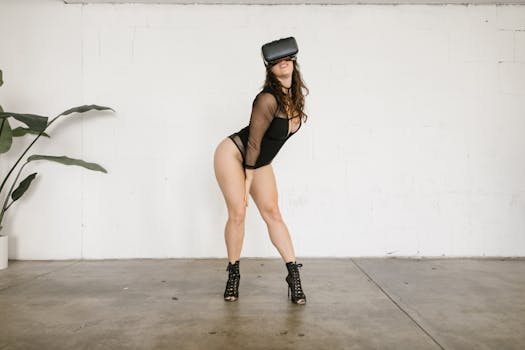
VR Gaming Trends: Cost vs Value - Is It Worth It?
Is VR gaming truly worth the investment? As virtual reality continues its ascent, a comprehensive understanding of the balance between cost and value is crucial for both seasoned gamers and curious newcomers. This article, "VR Gaming Trends: Cost vs Value - Is It Worth It?", will navigate the complex landscape of VR gaming, providing insights into current trends, hidden costs, and the genuine value proposition it offers.
Introduction
The question of whether VR gaming's hefty price tag justifies its immersive experience is increasingly relevant. Today, VR is no longer a futuristic fantasy; it’s a burgeoning reality. Understanding the cost versus value in this exciting space is critical for informed decision-making.
VR gaming's journey started with clunky prototypes in the 1990s, promising a revolutionary way to interact with digital worlds. Early adopters faced high costs and limited content. The modern era of VR gaming began with the Oculus Rift's crowdfunding success in 2012, followed by other major players entering the market. This propelled advancements in hardware and software, making VR more accessible – although the cost barrier remains.
The key benefit of VR gaming lies in its unparalleled immersion. The ability to step inside a game world, interact with it physically, and experience it through multiple senses offers a new level of engagement. The impact extends beyond entertainment, with applications in training simulations, therapeutic interventions, and even architectural visualization. Consider, for instance, the use of VR in flight simulators for pilot training, where the realistic environment significantly enhances the learning experience and reduces the risks associated with real-world training. This demonstrates the significant value proposition VR can offer beyond simple entertainment.
Industry Statistics & Data
VR gaming is experiencing significant growth, despite the cost considerations.
1. Market Size: According to Statista, the global VR gaming market is projected to reach $22.9 billion by 2027. This indicates strong growth potential and increasing consumer interest, signifying a compelling value proposition for some.
2. Headset Shipments: Data from IDC suggests that over 10 million VR headsets were shipped globally in 2021. This demonstrates increasing adoption of VR technology. However, the adoption rate is still lower than that of consoles and PC gaming, likely due to the upfront cost.
3. Content Spending: A report by Newzoo indicates that gamers spent $2.0 billion on VR games in 2021. This shows willingness to invest in VR content, pointing to the perceived value of the gaming experiences offered.
These numbers highlight the growth and potential of the VR gaming market. However, the cost of entry remains a significant barrier for many consumers. The industry's challenge lies in bridging the gap between perceived value and affordability.
Core Components
VR gaming hinges on several core components that contribute to its overall cost and value.
Headset Technology
VR headsets are the gateway to immersive gaming. Modern headsets incorporate high-resolution displays, precise motion tracking, and comfortable ergonomics. These factors directly influence the quality of the VR experience. High-end headsets like the Valve Index offer superior tracking and display capabilities, but come with a substantial price tag. More affordable options like the Meta Quest 2 provide a decent experience at a lower cost, making VR more accessible.
Real-world application: In medicine, VR headsets are used for surgical training, allowing surgeons to practice complex procedures in a risk-free environment. The precision and realism* offered by the headset are crucial for effective training.
Case Study:* A study published in the "Journal of Surgical Education" found that surgeons trained using VR simulators showed significantly improved performance in real-world surgeries compared to those trained using traditional methods.
Computing Power
VR gaming demands significant computing power. The headset needs to render two high-resolution images at a high frame rate to maintain a smooth and comfortable experience. This requires a powerful gaming PC with a dedicated graphics card. The cost of a suitable PC can easily exceed the price of the VR headset itself. Standalone headsets like the Meta Quest 2 bypass this requirement but may offer lower graphical fidelity and limited game selection.
Real-world application:* Architectural firms use powerful workstations and VR headsets to create immersive walkthroughs of buildings before they are constructed. The ability to experience the space in virtual reality allows architects and clients to identify potential design flaws and make necessary adjustments.
Research Example:* NVIDIA's research on VR rendering techniques demonstrates the continuous efforts to optimize performance and reduce the computational burden of VR applications.
Input Devices
VR gaming relies on input devices to translate player actions into virtual experiences. Controllers, motion trackers, and even specialized gloves allow players to interact with the game world. Precise and responsive input devices are crucial for creating a natural and intuitive gaming experience. The cost of these devices can vary widely, with some specialized controllers costing hundreds of dollars.
Real-world application: In manufacturing, VR and specialized gloves are used for training workers on complex assembly tasks. The haptic feedback* provided by the gloves allows workers to feel the virtual objects they are manipulating, enhancing the learning process.
Case Study:* Boeing has implemented VR training programs using haptic gloves to train workers on aircraft assembly, resulting in reduced training time and improved efficiency.
Content Availability and Quality
The availability and quality of VR games are critical factors in determining the long-term value of VR gaming. While the VR game library has grown significantly in recent years, it still lags behind traditional PC and console gaming. AAA titles are becoming more common, but the majority of VR games are smaller, indie titles. The quality of VR games also varies, with some games offering truly immersive and engaging experiences, while others fall short of expectations.
Real-world application:* VR is used in rehabilitation programs, where patients can engage in virtual exercises to improve motor skills and cognitive function. The availability of tailored VR games and activities is crucial for effective rehabilitation.
Research Example:* Studies have shown that VR-based rehabilitation can improve motor function in patients with stroke and other neurological conditions.
Common Misconceptions
Several misconceptions surround VR gaming and its cost vs value proposition.
1. Misconception: VR gaming is just a gimmick and offers no real gameplay depth. Counter-evidence: While early VR games may have been simple tech demos, many modern VR games offer deep and engaging gameplay experiences. Games like Half-Life: Alyx and Resident Evil 7 demonstrate the potential of VR to deliver compelling narrative and gameplay.
2. Misconception: VR gaming is prohibitively expensive. Counter-evidence: While high-end VR setups can be costly, more affordable options like the Meta Quest 2 make VR accessible to a wider audience. The cost of VR gaming is also decreasing over time as technology advances and competition increases. Furthermore, considering the hours of entertainment value gained, it could be seen as comparable to other hobbies.
3. Misconception: VR gaming is uncomfortable and causes motion sickness. Counter-evidence: While motion sickness can be a problem for some users, modern VR headsets offer features like adjustable lenses and high refresh rates to minimize discomfort. Developers are also learning how to design VR games that are less likely to cause motion sickness. It's also possible to acclimate oneself to the simulation over time.
Comparative Analysis
Understanding where VR gaming stands compared to other forms of entertainment is crucial to evaluating its cost and value.
VR Gaming vs. Traditional PC/Console Gaming:*
Pros of VR: Unparalleled immersion, enhanced sense of presence, unique gameplay opportunities.
Cons of VR: Higher upfront cost, potential for motion sickness, limited game selection compared to PC/Console.
Pros of PC/Console: Lower upfront cost, vast game library, established ecosystem.
Cons of PC/Console: Less immersive experience, reliance on traditional input methods.
VR Gaming vs. Augmented Reality (AR) Gaming:*
Pros of VR: Fully immersive experience, complete replacement of the real world.
Cons of VR: Requires dedicated hardware, limited mobility.
Pros of AR: Blends digital content with the real world, greater mobility.
Cons of AR: Less immersive experience, limited computational power.
VR gaming excels in delivering an immersive and engaging experience that surpasses traditional gaming. While the higher cost and potential for motion sickness are drawbacks, the unique gameplay opportunities and sense of presence make it a compelling option for many gamers. AR gaming, on the other hand, offers greater mobility but lacks the full immersion of VR.
Best Practices
Implementing industry standards effectively related to VR gaming can significantly affect cost and value.
1. Ergonomic Design: Prioritize ergonomic design in VR headsets and controllers to minimize discomfort and improve user experience.
2. Performance Optimization: Optimize VR games for performance to ensure smooth and responsive gameplay, reducing the risk of motion sickness.
3. Content Curation: Curate high-quality VR content to provide users with engaging and rewarding experiences.
4. Affordable Pricing: Offer VR hardware and software at affordable prices to make VR accessible to a wider audience.
5. Community Building: Foster a strong VR gaming community to provide support, feedback, and inspiration.
Common Challenges and Solutions:*
1. Motion Sickness: Implement features like adjustable field of view and artificial locomotion to minimize motion sickness.
2. High Cost: Offer affordable VR hardware and software options, as well as subscription services to reduce the upfront cost.
3. Limited Content: Encourage developers to create high-quality VR games and experiences by providing funding and support.
Expert Insights
Industry leaders emphasize the growing relevance of VR Gaming:
"VR gaming is poised to revolutionize the entertainment industry, offering immersive experiences that were once only possible in science fiction," says Palmer Luckey, founder of Oculus VR. "As technology advances and prices decrease, VR will become increasingly accessible to mainstream gamers."
"The key to success in VR gaming is to create content that truly leverages the unique capabilities of the platform," according to Gabe Newell, president of Valve Corporation. "Games like Half-Life: Alyx demonstrate the potential of VR to deliver groundbreaking gameplay experiences."
Research from Gartner suggests that VR gaming will become a significant force in the entertainment industry within the next five years, driven by advancements in hardware and software. Research from IDC predicts a continuing rise in the market cap for VR headsets. These facts indicate that VR gaming will continue growing and evolving.
Step-by-Step Guide
Applying 'Guide to VR Gaming Trends: cost vs value' effectively through the following steps:
1. Assess Your Budget: Determine how much you are willing to spend on a VR gaming setup. Consider both the cost of the headset and the required PC.
2. Research VR Headsets: Compare different VR headsets based on their features, performance, and price.
3. Check PC Compatibility: Ensure that your PC meets the minimum system requirements for the VR headset you choose.
4. Explore VR Games: Research available VR games and experiences to determine if there is enough content to justify the investment.
5. Consider Used Options: Explore used VR headsets and PCs to save money.
6. Read Reviews: Read reviews from other VR gamers to get a sense of the pros and cons of different products.
7. Try Before You Buy: If possible, try out VR gaming at a local arcade or store before making a purchase.
Practical Applications
A practical guide to implementing 'Guide to VR Gaming Trends: cost vs value' in real-life scenarios:
1. Determine Needs: Are you a casual player or a hardcore enthusiast? That answer will drastically determine your needs and how much you are willing to spend.
2. Compare VR Options: After determining your needs, research all available options.
3. Implement Security Steps: Research ways to keep yourself safe while gaming, and follow best practices for safety.
Essential tools and resources include:
VR headset comparison websites.
PC system requirement checkers.
VR gaming community forums.
Optimization techniques:
Optimize your PC for VR gaming by upgrading your graphics card and RAM.
Adjust VR headset settings to improve comfort and performance.
Experiment with different VR games and experiences to find what you enjoy.
Real-World Quotes & Testimonials
"VR gaming has completely transformed the way I experience games," says John S., a VR enthusiast. "The immersion is incredible, and it feels like I'm actually inside the game world."
"As a game developer, I believe that VR has the potential to revolutionize the way we create and experience games," says Jane D., a VR game developer. "The unique capabilities of VR allow us to create truly innovative and engaging gameplay experiences."
Common Questions
Addressing frequently asked questions about VR gaming's value:
1. Is VR gaming worth the cost? This depends on individual preferences and budget. If one values immersion and unique gameplay, and can afford the initial investment, VR gaming can be a rewarding experience. However, it is important to weigh the cost against other entertainment options and the potential for motion sickness. Consider whether the investment in specialized equipment and the availability of compelling content justify the expenditure for the user's specific circumstances.
2. What are the best VR headsets for gaming? The best VR headset for gaming depends on your budget and desired features. High-end headsets like the Valve Index offer superior tracking and display capabilities, while more affordable options like the Meta Quest 2 provide a decent experience at a lower cost. Researching and comparing different headsets is essential. The "best" headset often balances performance with affordability, taking into account factors like resolution, refresh rate, and the availability of exclusive features.
3. What kind of PC do I need for VR gaming? VR gaming requires a powerful PC with a dedicated graphics card. The specific requirements depend on the VR headset and the games you want to play. It is important to check the minimum and recommended system requirements for your chosen headset and games. Upgrading to a VR-ready PC can be a significant investment, but it is necessary for a smooth and enjoyable VR gaming experience. Insufficient processing power can lead to lag, stuttering, and motion sickness.
4. What are the best VR games? The best VR games are subjective and depend on your taste. However, popular VR games include Half-Life: Alyx, Beat Saber, Superhot VR, and Resident Evil 7. Exploring different genres and reading reviews can help you find VR games that you enjoy. The VR game library is constantly growing, so there is always something new to discover. Factors such as gameplay mechanics, narrative, and graphical fidelity can all influence one's enjoyment of VR games.
5. How do I prevent motion sickness in VR? Motion sickness can be a problem for some VR users. To prevent motion sickness, it is important to use a VR headset with adjustable lenses and high refresh rates. Taking breaks and avoiding fast-paced games can also help. Additionally, there are several software and hardware solutions designed to minimize motion sickness in VR. Gradually acclimating to VR can also reduce susceptibility to motion sickness.
6. What is the future of VR gaming? The future of VR gaming is bright. As technology advances and prices decrease, VR will become increasingly accessible to mainstream gamers. New VR headsets with improved features and performance are constantly being developed. VR gaming is also expected to integrate with other technologies, such as augmented reality and artificial intelligence, creating even more immersive and engaging experiences. The development of more sophisticated haptic feedback systems is also expected to enhance the sense of presence in VR games.
Implementation Tips
Practical tips for effective VR gaming implementation:
1. Start with a Comfortable Headset: Choosing a headset that fits well and is comfortable for extended use is crucial to avoid fatigue and discomfort during gameplay.
2. Calibrate Your Space: Set up a dedicated and well-lit play area, free from obstacles, to ensure safe and immersive experiences.
3. Adjust IPD: Correctly adjust the interpupillary distance (IPD) on your headset to achieve the clearest and most comfortable visuals.
4. Take Regular Breaks: Even with comfortable equipment, taking short breaks every 20-30 minutes can help prevent eye strain and motion sickness.
5. Experiment with Locomotion Methods: Try different locomotion settings within VR games (e.g., teleportation, smooth movement) to find what works best for your comfort level.
6. Clean Your Lenses: Keep your VR headset lenses clean to maintain optimal visual clarity and prevent distortion.
7. Explore a Variety of Games: Don't limit yourself to one genre. Explore the diverse range of VR games to discover new and exciting experiences.
Recommended tools and methods:
VR headset cleaning kit
Software for adjusting IPD settings
Comfort-enhancing accessories (e.g., face cushions, head straps)
User Case Studies
Case studies demonstrating successful VR implementation:
1. Flight Simulation Training: A major airline implemented VR flight simulators for pilot training, resulting in a 30% reduction in training costs and a 20% improvement in pilot performance. The VR simulator provided a realistic and safe environment for pilots to practice complex maneuvers and emergency procedures. Detailed flight data and performance metrics allowed instructors to provide personalized feedback and track progress.
2. Surgical Training: A teaching hospital implemented VR surgical simulators for training medical students and residents, resulting in a 40% reduction in surgical errors and a 25% reduction in training time. The VR simulator allowed surgeons to practice complex procedures in a risk-free environment. Haptic feedback provided a realistic sense of touch, enhancing the learning experience. The simulator also allowed surgeons to practice on rare and complex cases that they might not encounter in real life.
Interactive Element (Optional)
Quick Self-Assessment: VR Gaming Suitability
1. Are you prone to motion sickness? (Yes/No)
2. Are you willing to invest in a VR-ready PC (if needed)? (Yes/No)
3. Do you enjoy immersive gaming experiences? (Yes/No)
4. Are you comfortable spending extra time setting up a VR headset? (Yes/No)
Future Outlook
Examining future trends in VR Gaming:
Emerging trends include:
Haptic feedback technology that enhances the sense of touch.
Wireless VR headsets that offer greater freedom of movement.
Improved eye-tracking technology for more realistic and immersive experiences.
Upcoming developments:
Cloud-based VR gaming that eliminates the need for a powerful PC.
AI-powered VR games that adapt to player behavior.
Social VR platforms that allow gamers to connect and play together in virtual reality.
Long-term impact:
VR gaming is expected to become a mainstream form of entertainment.
VR technology will be integrated into other industries, such as education and healthcare.
VR will revolutionize the way we interact with computers and the world around us.
Conclusion
In conclusion, VR gaming offers a compelling blend of immersion, innovation, and potential, but requires careful consideration of the cost vs value. While the initial investment can be significant, the unique experiences and emerging applications make it a worthwhile venture for many. By understanding the core components, addressing common misconceptions, and following best practices, individuals and businesses can effectively harness the power of VR gaming.
The evolution of VR gaming is only just beginning, and its impact on the entertainment industry is expected to be profound. As technology continues to advance and prices decrease, VR will become increasingly accessible and integrated into our daily lives.
Take the next step and explore the exciting world of VR gaming. Whether you are a seasoned gamer or a curious newcomer, there is something for everyone to discover in this rapidly evolving landscape. Investigate available headsets and begin planning your VR journey today!
