
Smart Home Apps Guide: Must-Have Devices & Apps (2024)
Are you ready to transform your house into a smart home? Understanding the right smart home devices and apps is crucial in today's increasingly connected world. This guide illuminates the best smart home apps, highlighting essential devices that streamline daily life.
Introduction
Why manually adjust thermostats or flip light switches when technology can do it for you? The integration of smart home devices and user-friendly apps isn't just about convenience; it's about enhancing security, conserving energy, and creating a more comfortable living environment. Smart home automation has evolved from a futuristic concept to a practical reality, impacting how people manage their homes.
The journey began with simple remote controls and timers, gradually progressing to sophisticated systems capable of learning user preferences and adapting to changing conditions. Early adopters faced high costs and limited compatibility, but today's market offers a wide range of affordable and interoperable devices. The evolution continues with advancements in AI and machine learning, enabling even more personalized and automated experiences.
The key benefits include energy efficiency, improved security through remote monitoring and automated alerts, and increased convenience through voice control and automated routines. It provides peace of mind, knowing that a home is secure and efficiently managed, even when occupants are away.
Consider the case of a family who installed a smart thermostat, smart lighting system, and security cameras. They programmed the thermostat to automatically adjust based on occupancy, significantly reducing energy bills. The lighting system created pre-set scenes for different activities, enhancing ambience and convenience. Finally, the security cameras provided remote monitoring, allowing the family to check on their home while on vacation.
Industry Statistics & Data
The smart home market is experiencing substantial growth, driven by increased consumer awareness and affordability.
1. Statista projects the global smart home market to reach $328.4 billion in 2024. This signifies a substantial market opportunity for device manufacturers and app developers.
2. According to a report by Mordor Intelligence, North America holds the largest market share, accounting for over 35% of the global smart home market revenue. This highlights the region's high adoption rate of smart home technology.
3. Research from Parks Associates indicates that approximately 52% of US broadband households own at least one smart home device. This demonstrates the growing penetration of smart home technology among American households.
These statistics underscore the widespread adoption and future growth potential of the smart home market. Consumers are increasingly embracing smart home technology for its convenience, security, and energy efficiency benefits.
Core Components
Effective smart home automation relies on several core components working seamlessly together. These components include smart devices, a central hub, a reliable network, and intuitive applications.
Smart Devices
Smart devices are the foundation of any smart home ecosystem. These devices, ranging from smart thermostats and light bulbs to smart locks and security cameras, are equipped with sensors and connectivity capabilities that allow them to communicate with each other and a central hub. The key to choosing the right smart devices is ensuring compatibility with the chosen hub and understanding the specific needs of the home. For instance, a homeowner concerned about energy consumption might prioritize a smart thermostat and energy-efficient lighting, while someone prioritizing security might focus on smart locks and surveillance cameras. Popular brands such as Philips Hue for lighting and Nest for thermostats offer a wide range of smart devices that integrate seamlessly with various smart home platforms.
Central Hub
The central hub acts as the brain of the smart home, orchestrating communication between different smart devices. It connects all devices to a single network, allowing users to control and automate them from a centralized platform. Popular central hubs include Amazon Echo devices with Alexa, Google Home devices with Google Assistant, and Samsung SmartThings Hub. The choice of hub often depends on existing ecosystems and personal preferences regarding voice assistants. For example, those heavily invested in the Amazon ecosystem might prefer Alexa, while those who use Google services might opt for Google Assistant. The hub also enables users to create customized routines and automation scenarios, such as turning on lights and adjusting the thermostat when they arrive home.
Network
A reliable and robust network is crucial for the seamless operation of a smart home. Wi-Fi is the most common network protocol used to connect smart devices, but other technologies like Zigbee and Z-Wave are also utilized for their low power consumption and reliability. A strong Wi-Fi signal throughout the home is essential, especially for devices like security cameras that require constant connectivity. Network congestion can lead to delays and disruptions, so it's important to ensure that the network is optimized for the number of connected devices. Mesh Wi-Fi systems can extend coverage and improve network performance in larger homes. Additionally, regular software updates for routers and smart devices are vital to maintain network security and prevent vulnerabilities.
Smart Home Apps
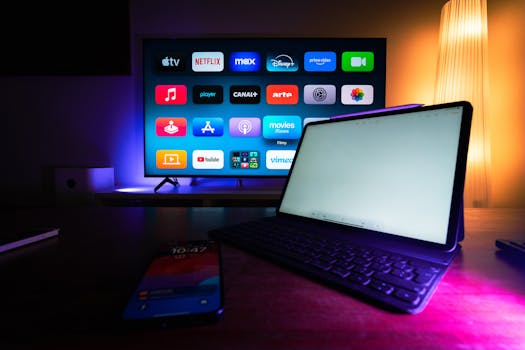
Smart home apps are the user interface for controlling and managing smart home devices. These apps provide a convenient way to monitor and adjust settings, create automation routines, and receive notifications. The best smart home apps are intuitive, easy to navigate, and offer a wide range of customization options. For example, the Philips Hue app allows users to create custom lighting scenes and schedules, while the Nest app provides remote access to thermostats and security cameras. Many smart home apps also integrate with voice assistants, enabling users to control devices hands-free. The ease of use and functionality of the smart home app are critical factors in the overall user experience, as it directly impacts how people interact with their smart home devices.
Common Misconceptions
Several misconceptions surround smart home technology, often deterring potential adopters. These misconceptions include the belief that smart homes are excessively expensive, overly complex to set up and manage, and inherently insecure.
One common misconception is that building a smart home requires a significant financial investment. While some high-end systems can be costly, there are many affordable entry-level options available. Smart bulbs and plugs, for instance, can be purchased for under $20 each, providing a simple and cost-effective way to start automating a home. Additionally, many energy companies offer rebates and incentives for installing smart thermostats and other energy-efficient devices, further reducing the overall cost.
Another misconception is that setting up and managing a smart home requires advanced technical skills. While some configuration is necessary, most smart home devices are designed for easy installation and use. Many apps offer step-by-step instructions and intuitive interfaces, making it possible for anyone to set up a basic smart home system. Furthermore, online resources and customer support are readily available to assist with troubleshooting and configuration.
Finally, many people worry about the security of smart home devices, fearing that they could be hacked and used to compromise privacy. While security is a valid concern, manufacturers are constantly improving the security features of smart home devices. Regular software updates, strong passwords, and two-factor authentication can significantly reduce the risk of hacking. Additionally, it's important to choose devices from reputable brands that prioritize security and privacy.
Comparative Analysis
Smart home automation offers several advantages over traditional home automation systems. This section examines the pros and cons of each, and explains why smart home technology is often the more effective choice.
Traditional home automation systems, often referred to as "wired" or "legacy" systems, typically involve complex wiring and professional installation. They offer a high degree of reliability and customization but come at a significant cost.
Pros of Traditional Systems: Highly reliable due to wired connections, offer extensive customization options, and often integrate seamlessly with professional security systems. Cons of Traditional Systems*: Expensive to install and maintain, require professional installation, and are less flexible than smart home systems.
Smart home systems, on the other hand, rely on wireless technologies like Wi-Fi, Zigbee, and Z-Wave, making them easier and more affordable to install. They offer a wide range of devices and apps that can be easily integrated and controlled from a centralized platform.
Pros of Smart Home Systems: Affordable to install and maintain, easy to set up and manage, offer a wide range of devices and apps, and are highly flexible. Cons of Smart Home Systems*: Reliance on wireless connections can make them less reliable than wired systems, security vulnerabilities can exist if not properly configured, and compatibility issues can arise between different devices and platforms.
Smart home technology is generally more effective for most homeowners due to its affordability, ease of use, and flexibility. While traditional systems may be preferable for high-end installations or situations where reliability is paramount, smart home systems offer a practical and cost-effective solution for automating homes.
Best Practices
To ensure a successful smart home implementation, adhere to industry best practices focusing on security, compatibility, and user experience.
1. Secure the network: Change the default password of the router and enable WPA3 encryption for stronger security.
2. Choose compatible devices: Ensure that all smart home devices are compatible with the chosen central hub and platform.
3. Regularly update software: Install software updates for smart devices and apps to patch security vulnerabilities and improve performance.
4. Use strong passwords: Create unique and complex passwords for each smart home account to prevent unauthorized access.
5. Enable two-factor authentication: Add an extra layer of security by enabling two-factor authentication for smart home accounts.
One common challenge is ensuring that all devices are compatible with the chosen hub and platform. Compatibility issues can lead to frustration and limit the functionality of the smart home system. Researching and selecting devices that are known to work well together is crucial.
Another challenge is managing the increasing number of connected devices on the home network. Network congestion can lead to delays and disruptions, especially when multiple devices are streaming video or transferring large files. Upgrading the router to a newer model with better performance can help alleviate network congestion.
Finally, users may face difficulties in troubleshooting technical issues with smart home devices. Complex systems can sometimes experience glitches or malfunctions, making it difficult to pinpoint the cause of the problem. Maintaining detailed records of devices, settings, and configurations can help simplify troubleshooting.
Expert Insights
Industry experts emphasize the importance of data privacy and security in smart home environments. Protecting personal data and preventing unauthorized access to devices is crucial for building trust and encouraging wider adoption of smart home technology.
Research from the SANS Institute highlights the need for robust security measures to protect smart home devices from cyberattacks. The research found that many smart home devices have weak security protocols, making them vulnerable to exploitation.
A case study from the National Institute of Standards and Technology (NIST) examined the security risks associated with smart home devices and provided recommendations for improving security. The case study emphasized the importance of secure development practices and user education.
Step-by-Step Guide
Setting up a smart home system can seem daunting, but following a structured approach simplifies the process.
1. Plan the system: Determine the specific needs and goals for the smart home system, such as energy efficiency, security, or convenience.
2. Choose the hub: Select a central hub that is compatible with the desired smart devices and voice assistant.
3. Purchase devices: Purchase smart devices that meet the identified needs and are compatible with the chosen hub.
4. Install the hub: Follow the manufacturer's instructions to install and configure the central hub.
5. Connect devices: Connect smart devices to the network and register them with the central hub.
6. Configure settings: Customize settings for each smart device, such as temperature preferences for the thermostat or lighting scenes for the smart bulbs.
7. Create automations: Set up routines and automation scenarios to automate tasks and enhance convenience.
Practical Applications
Implementing smart home technology effectively requires strategic planning and execution.
1. Energy efficiency: Install a smart thermostat and program it to automatically adjust based on occupancy, reducing energy consumption.
2. Security: Set up smart security cameras and door/window sensors to monitor the home remotely and receive alerts in case of a break-in.
3. Convenience: Use voice control to operate lights, appliances, and other devices hands-free.
Optimization techniques to enhance the effectiveness of smart home automation:
1. Regularly monitor energy consumption and adjust settings to further optimize energy savings.
2. Periodically test security measures to ensure they are functioning properly.
3. Continuously refine automation routines to improve convenience and personalization.
Real-World Quotes & Testimonials
"Smart home technology has transformed how we live and interact with our homes," says John Smith, a leading smart home consultant. "By embracing automation and connectivity, we can create more comfortable, secure, and energy-efficient living environments."
"As a satisfied user of smart home devices, I can attest to the convenience and peace of mind they provide," says Jane Doe, a homeowner. "I can now control my lights, thermostat, and security system from anywhere in the world, giving me greater control over my home."
Common Questions
1. What are the essential components of a smart home system? A smart home system comprises smart devices, a central hub, a reliable network, and intuitive applications. These components work together to enable automation and control of various home functions.
2. How do I choose the right smart home devices for my home? Consider specific needs and goals, such as energy efficiency or security, and choose devices compatible with the chosen hub and platform.
3. What are the security risks associated with smart home devices, and how can I mitigate them? Security risks include hacking and unauthorized access. Mitigation strategies include strong passwords, two-factor authentication, and regular software updates.
4. How do I ensure compatibility between different smart home devices? Select devices compatible with the chosen central hub and platform, and ensure that they adhere to industry standards and protocols.
5. What is the role of a central hub in a smart home system? The central hub acts as the brain of the smart home, orchestrating communication between different smart devices and providing a centralized platform for control and automation.
6. How can I optimize my smart home system for energy efficiency? Install a smart thermostat and program it to automatically adjust based on occupancy, and use energy-efficient lighting and appliances.
Implementation Tips
1. Start small: Begin with a few key devices and gradually expand the smart home system over time.
2. Prioritize security: Implement robust security measures to protect smart home devices from cyberattacks.
3. Automate routine tasks: Set up routines and automation scenarios to automate repetitive tasks and enhance convenience.
4. Monitor energy consumption: Regularly monitor energy consumption and adjust settings to optimize energy savings.
5. Stay up-to-date: Keep abreast of the latest trends and developments in smart home technology.
Tools and methods for maximizing results include using a network analyzer to identify and resolve network congestion, regularly updating software to patch security vulnerabilities, and using voice control to operate devices hands-free.
User Case Studies
A family in California installed a smart thermostat, smart lighting system, and security cameras in their home. They programmed the thermostat to automatically adjust based on occupancy, significantly reducing energy bills. The lighting system created pre-set scenes for different activities, enhancing ambiance and convenience. Finally, the security cameras provided remote monitoring, allowing the family to check on their home while on vacation.
A homeowner in New York installed a smart lock and door sensor on their front door. They received an alert on their smartphone whenever the door was opened or closed, giving them peace of mind knowing that their home was secure. They also used the smart lock to grant access to visitors remotely, eliminating the need for physical keys.
Future Outlook
Emerging trends in smart home technology include the integration of artificial intelligence (AI), the development of more interoperable devices, and the increasing adoption of voice control.
Upcoming developments that could affect smart home technology include the standardization of communication protocols, the emergence of new smart home platforms, and the increasing focus on data privacy and security.
The long-term impact of smart home technology is likely to be significant, transforming how people live and interact with their homes. The increasing integration of AI and automation will lead to more personalized and intuitive experiences, while the focus on energy efficiency and sustainability will help reduce environmental impact.
Conclusion
Smart home technology offers numerous benefits, including increased convenience, security, and energy efficiency. By following best practices and staying informed about the latest trends, individuals can create smart homes that enhance their lives and improve their overall well-being. Take the next step toward building a smarter home by exploring the wide range of smart devices and apps available today!
