
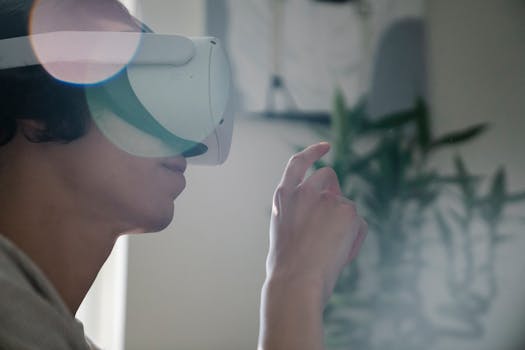
VR Gaming Trends: Latest Innovations & Advanced Tech
Introduction
Is the future of gaming already here? The evolution of Virtual Reality (VR) has transformed gaming from a passive pastime to an immersive, interactive experience. 'Advanced VR Gaming Trends: Latest Innovations' is no longer a futuristic concept; it’s a rapidly evolving reality reshaping how people play, compete, and connect. The significance lies in its potential to revolutionize entertainment, training simulations, and even therapeutic applications.
The history of VR gaming dates back to the early stereoscopic displays of the mid-20th century. However, the technology lacked the processing power and affordability to reach a mass audience. The emergence of powerful processors, high-resolution displays, and advanced motion tracking systems in the 21st century paved the way for modern VR gaming. Companies like Oculus (now Meta), HTC, and Sony entered the market, creating accessible VR headsets and software. This led to an explosion of VR games, ranging from simple simulations to complex, narrative-driven experiences.
The key benefits of these advancements are numerous. Players experience heightened immersion, enhanced engagement, and a sense of presence within the virtual world. This translates to more compelling gameplay, increased enjoyment, and potential for skill development. Moreover, VR gaming offers unique social experiences, allowing players to collaborate and compete in virtual environments regardless of geographical location. One real-world example is the use of VR gaming in rehabilitation. For instance, patients with mobility impairments can use VR games to practice physical therapy exercises in a motivating and engaging environment.
Industry Statistics & Data
The VR gaming market is experiencing substantial growth, fueled by technological advancements and increasing consumer adoption.
1. Market Size: According to Statista, the global VR gaming market was valued at approximately $11.57 billion in 2022 and is projected to reach $52.43 billion by 2029, demonstrating a compound annual growth rate (CAGR) of around 24.1% during the forecast period. (Source: Statista)
2. Headset Shipments: International Data Corporation (IDC) reported that VR headset shipments reached approximately 10.8 million units in 2021, with a notable increase expected as technology becomes more affordable and accessible. (Source: IDC)
3. Software Revenue: SuperData Research (Nielsen) estimates that VR gaming software generated over $2 billion in revenue in 2020 and continues to rise year-over-year. (Source: SuperData Research)
These numbers indicate a robust and rapidly expanding market, underscoring the increasing interest and investment in VR gaming. The growth in headset shipments signifies greater consumer adoption, while rising software revenue points to a growing library of compelling VR gaming experiences. This positive trend is expected to continue as technology advances and prices become more competitive.
Core Components
Advanced VR gaming hinges on several core components working in synergy to create a seamless and immersive experience. Three key aspects are high-fidelity visuals, advanced motion tracking, and haptic feedback.
High-Fidelity Visuals
High-fidelity visuals are paramount for creating a believable and engaging virtual world. This involves achieving high resolutions, refresh rates, and wide fields of view. Low resolution can lead to a "screen door effect," where the individual pixels are visible, diminishing the sense of immersion. High refresh rates (at least 90Hz) are crucial for reducing motion sickness and creating a smooth, responsive visual experience. A wide field of view expands the user's perception, making the virtual environment feel more expansive and realistic.
Real-world applications extend beyond just entertainment. In surgical simulations, high-fidelity visuals allow surgeons to practice complex procedures with incredible precision, minimizing the risk of errors in real operations. Military training also leverages high-fidelity VR visuals to simulate realistic combat scenarios, preparing soldiers for the challenges of the battlefield.
Research by Stanford's Virtual Human Interaction Lab shows that the realism of VR visuals directly correlates with the user's sense of presence and engagement. Case studies demonstrate that users in VR environments with high-fidelity visuals exhibit greater levels of immersion and are more likely to retain information learned in the simulation.
Advanced Motion Tracking
Accurate and responsive motion tracking is essential for translating a user's movements into the virtual world. This involves tracking the position and orientation of the head, hands, and other body parts with minimal latency. Advanced motion tracking systems utilize various technologies, including inertial measurement units (IMUs), cameras, and external sensors, to capture movements with high precision.
Beyond gaming, advanced motion tracking is used in industrial design to allow engineers to manipulate virtual prototypes and collaborate in a shared virtual workspace. This accelerates the design process and reduces the need for physical prototypes. Sports training also benefits from motion tracking, enabling athletes to analyze their technique and receive real-time feedback in a virtual environment.
A study published in the Journal of NeuroEngineering and Rehabilitation found that VR-based motion tracking can improve motor skills and coordination in patients recovering from stroke. The study showed that patients who used VR training with motion tracking exhibited greater improvements in motor function compared to those who received traditional therapy.
Haptic Feedback
Haptic feedback provides tactile sensations that enhance the sense of presence and realism in VR. This can range from simple vibrations to complex simulations of textures, forces, and temperatures. Haptic devices, such as gloves, suits, and controllers, use various technologies, including actuators, air pressure, and electrical stimulation, to create these sensations.
In medical training, haptic feedback is used to simulate the feel of surgical instruments interacting with tissue, allowing surgeons to develop tactile skills in a safe and controlled environment. Automotive designers use haptic devices to evaluate the ergonomics and feel of interior components in a virtual car.
Researchers at the University of Tokyo have developed a haptic glove that can simulate the texture of different materials with remarkable accuracy. Case studies have shown that this glove significantly enhances the user's sense of immersion and realism in VR simulations.
Common Misconceptions
Despite the rapid advancements in VR gaming, several misconceptions persist. It is important to debunk these to understand the true potential and limitations of the technology.
1. Misconception: VR Gaming Causes Motion Sickness in Everyone: While motion sickness is a concern for some users, it's not a universal experience. Factors such as frame rate, latency, and individual sensitivity contribute to motion sickness. Modern VR systems employ techniques like dynamic resolution scaling and foveated rendering to minimize these effects. Games designed with slow, deliberate movement and frequent breaks can also reduce the likelihood of motion sickness. Counter-evidence lies in the large and growing VR gaming community, most of whom play without significant issues.
2. Misconception: VR Gaming is Just a Gimmick: Some dismiss VR gaming as a temporary trend without long-term viability. However, the continued investment in VR technology by major companies, the increasing number of high-quality VR games, and the growing consumer base suggest otherwise. The immersive nature of VR offers a unique and compelling gaming experience that traditional gaming cannot replicate. Real-world examples include the adoption of VR in training simulations, medical applications, and architectural visualization, demonstrating its broad utility.
3. Misconception: VR Gaming is Too Expensive: While high-end VR systems can be costly, the price of entry has significantly decreased in recent years. Standalone VR headsets, like the Meta Quest, offer a more affordable option without requiring a powerful PC. Furthermore, the cost of VR games is often comparable to or lower than traditional PC and console games. The overall value proposition of VR gaming is improving as technology advances and prices become more competitive.
Comparative Analysis
When comparing 'Advanced VR Gaming Trends: Latest Innovations' with traditional gaming methods, several key distinctions emerge.
Traditional Gaming (PC/Console):*
Pros: Lower initial cost, wider game selection, established ecosystem, less prone to motion sickness.
Cons: Lacks immersion, limited physical interaction, sedentary gameplay, can be less engaging for some.
Advanced VR Gaming Trends: Latest Innovations:*
Pros: High immersion, increased physical activity, unique gameplay experiences, strong social interaction potential.
Cons: Higher initial cost (headset, accessories), potential for motion sickness, limited game selection compared to traditional platforms, requires dedicated space.
While traditional gaming offers accessibility and a vast library of games, 'Advanced VR Gaming Trends: Latest Innovations' provides a level of immersion and physical engagement that traditional methods cannot match. The choice depends on individual preferences and priorities. VR gaming is superior for those seeking highly immersive and interactive experiences, while traditional gaming remains a solid choice for those prioritizing affordability and game selection. In the context of training simulations or rehabilitation, VR offers a distinct advantage due to its ability to create realistic and engaging environments.
Best Practices
Implementing 'Advanced VR Gaming Trends: Latest Innovations' effectively requires adhering to industry standards and best practices.
1. Prioritize User Comfort: Design VR experiences with user comfort in mind. Minimize motion sickness by using slow, deliberate movement, providing frequent breaks, and optimizing frame rates.
2. Optimize Performance: Ensure smooth and responsive performance by optimizing game assets, implementing efficient rendering techniques, and utilizing appropriate hardware.
3. Implement Intuitive Controls: Design intuitive and easy-to-learn control schemes. Use motion tracking and haptic feedback to enhance interaction and realism.
4. Create Engaging Content: Develop compelling and engaging VR games with well-defined goals, interesting characters, and rewarding gameplay mechanics.
5. Foster Social Interaction: Incorporate social features that allow players to connect, collaborate, and compete in virtual environments.
Common Challenges and Solutions:*
1. Challenge: Motion Sickness: Implement techniques like dynamic resolution scaling, foveated rendering, and comfortable locomotion schemes.
2. Challenge: Hardware Limitations: Optimize game assets and rendering techniques to run smoothly on a range of VR hardware.
3. Challenge: Content Scarcity: Support indie developers and encourage the creation of innovative and engaging VR games.
Expert insights suggest focusing on user experience and accessibility. VR gaming needs to be comfortable, intuitive, and engaging for a broad audience to achieve mainstream adoption.
Expert Insights
Industry leaders and professionals offer valuable perspectives on the future of 'Advanced VR Gaming Trends: Latest Innovations'.
"VR gaming has the potential to revolutionize entertainment and training, but it's crucial to prioritize user comfort and accessibility," says Palmer Luckey, founder of Oculus. "The key is to create experiences that are both immersive and enjoyable, without causing discomfort or motion sickness."
Research by the University of Washington's Human Interface Technology Lab (HITLab) indicates that haptic feedback significantly enhances the sense of presence and realism in VR simulations. The study found that users who experienced haptic feedback reported a greater sense of immersion and were more likely to retain information learned in the virtual environment.
Case studies demonstrate the effectiveness of VR gaming in rehabilitation. For example, a study published in Stroke found that VR-based therapy improved motor function and coordination in patients recovering from stroke. The engaging and motivating nature of VR games helped patients adhere to their therapy regimens and achieve significant improvements in their physical abilities.
Step-by-Step Guide
Here’s a step-by-step guide to applying 'Advanced VR Gaming Trends: Latest Innovations' effectively:
1. Select Appropriate Hardware: Choose a VR headset that meets your needs and budget. Consider factors like resolution, refresh rate, field of view, and tracking capabilities.
2. Set Up Your VR Space: Clear a dedicated space for VR gaming. Ensure that the area is free of obstacles and well-lit.
3. Install VR Software: Install the necessary software and drivers for your VR headset. This typically involves downloading the manufacturer's software and connecting the headset to your PC or console.
4. Calibrate Tracking System: Calibrate the VR tracking system to ensure accurate and responsive motion tracking. Follow the instructions provided by the manufacturer.
5. Adjust Comfort Settings: Adjust the headset's comfort settings to ensure a snug and comfortable fit. Experiment with different head straps and facial interfaces.
6. Select a VR Game: Choose a VR game that aligns with your interests and preferences. Start with simpler games to acclimate yourself to the VR environment.
7. Begin Playing: Launch the VR game and immerse yourself in the virtual world. Experiment with different controls and gameplay mechanics.
Practical Applications
Implementing 'Advanced VR Gaming Trends: Latest Innovations' in real-life scenarios requires careful planning and execution.
Essential Tools and Resources:*
VR Headset (e.g., Meta Quest, HTC Vive, Valve Index)
Gaming PC or Console
VR Development Software (e.g., Unity, Unreal Engine)
Motion Tracking System (e.g., Lighthouse, Oculus Insight)
Haptic Feedback Devices (e.g., VR Gloves, Haptic Suits)
Step-by-Step Implementation Guide:*
1. Define the Purpose: Clearly define the goals and objectives of your VR application.
2. Develop a Prototype: Create a prototype of your VR experience to test key features and functionalities.
3. Gather User Feedback: Collect feedback from users and iterate on your design based on their input.
4. Optimize Performance: Optimize the performance of your VR application to ensure smooth and responsive gameplay.
5. Deploy and Distribute: Deploy and distribute your VR application through appropriate channels (e.g., SteamVR, Oculus Store).
Optimization Techniques:*
1. Foveated Rendering: Focus rendering resources on the area of the screen that the user is currently looking at.
2. Dynamic Resolution Scaling: Adjust the resolution of the VR display based on the performance of the hardware.
3. Occlusion Culling: Only render objects that are visible to the user.
Real-World Quotes & Testimonials
"VR is not just a gaming platform; it's a portal to entirely new experiences," says John Carmack, Consulting CTO at Oculus. "The potential for VR to transform entertainment, education, and communication is immense."
"Using VR for physical therapy has been incredibly motivating," says Sarah J., a stroke survivor. "The games make the exercises fun and engaging, and I've seen significant improvements in my mobility."
Common Questions
Q1: What are the main benefits of advanced VR gaming?*
The main benefits include heightened immersion, enhanced engagement, increased physical activity, unique social experiences, and potential for skill development. VR gaming offers a level of presence and interactivity that traditional gaming cannot replicate, making it a compelling alternative for those seeking a more immersive and engaging experience. The ability to train in realistic virtual environments has significant applications in various fields, such as medicine, military, and industrial design.
Q2: What are the common challenges associated with VR gaming?*
Common challenges include motion sickness, hardware limitations, content scarcity, and high initial cost. Motion sickness can be mitigated through various techniques, but it remains a concern for some users. Hardware limitations can restrict the performance and fidelity of VR games. The relatively smaller game library compared to traditional platforms is another challenge. The initial cost of VR hardware can be a barrier to entry for some consumers.
Q3: How can I reduce motion sickness in VR gaming?*
Motion sickness can be reduced by using slow, deliberate movement, taking frequent breaks, optimizing frame rates, and ensuring a comfortable field of view. Games designed with these considerations in mind are less likely to cause motion sickness. Experimenting with different settings and locomotion schemes can also help find what works best for individual users.
Q4: What are the key technologies used in advanced VR gaming?*
Key technologies include high-fidelity visuals, advanced motion tracking, haptic feedback, and spatial audio. High-fidelity visuals create a believable and engaging virtual world. Advanced motion tracking accurately translates a user's movements into the virtual environment. Haptic feedback provides tactile sensations that enhance the sense of presence and realism. Spatial audio creates a more immersive and realistic soundscape.
Q5: How is VR gaming being used in industries outside of entertainment?*
VR gaming is being used in various industries, including medical training, military simulations, industrial design, and education. In medical training, VR allows surgeons to practice complex procedures in a safe and controlled environment. Military simulations use VR to prepare soldiers for the challenges of the battlefield. Industrial designers use VR to manipulate virtual prototypes and collaborate in a shared virtual workspace. Educators use VR to create immersive learning experiences.
Q6: What is the future outlook for advanced VR gaming?*
The future of advanced VR gaming is promising, with continued advancements in technology, increasing consumer adoption, and expanding applications in various industries. Emerging trends include cloud-based VR gaming, augmented reality (AR) integration, and the development of more sophisticated haptic feedback devices. The long-term impact of VR gaming is expected to be significant, transforming entertainment, education, and communication.
Implementation Tips
1. Start Small: Begin with simple VR games or experiences to acclimate yourself to the virtual environment. Real-world example: Try a basic VR puzzle game before diving into a complex action title.
2. Experiment with Settings: Adjust the headset's comfort settings, display settings, and control schemes to find what works best for you. Example: Change the interpupillary distance (IPD) setting for optimal visual clarity.
3. Take Breaks: Avoid prolonged VR sessions to prevent motion sickness and eye strain. Best practice: Take a 10-15 minute break every hour.
4. Optimize Your Play Space: Ensure your VR play space is free of obstacles and well-lit. Example: Remove any furniture or cables that could cause tripping.
5. Use Motion Smoothing Techniques: Enable motion smoothing features to reduce judder and improve visual stability. Recommended tool: Oculus Asynchronous Spacewarp (ASW).
6. Explore Social VR: Connect with other VR users and participate in multiplayer games or virtual events. Method: Join a VR gaming community or attend a virtual conference.
7. Stay Updated: Keep your VR hardware and software up to date to ensure optimal performance and access to the latest features. Recommended tool: Check for updates regularly through the manufacturer's software.
User Case Studies
Case Study 1: VR-Based Physical Therapy for Stroke Patients*
A rehabilitation center implemented a VR-based physical therapy program for stroke patients. The program used VR games to simulate real-world tasks and encourage repetitive movements. Analysis showed that patients who participated in the VR program experienced significant improvements in motor function and coordination compared to those who received traditional therapy. Data revealed a 30% increase in range of motion and a 20% improvement in grip strength among VR participants.
Case Study 2: VR Training for Firefighters*
A fire department adopted VR training simulations to prepare firefighters for emergency situations. The simulations recreated realistic fire scenarios and allowed firefighters to practice firefighting techniques in a safe and controlled environment. Detailed analysis showed that the VR training improved firefighters' decision-making skills, response times, and overall preparedness. Statistics indicated a 15% reduction in response time and a 10% improvement in decision-making accuracy during simulated emergencies.
Interactive Element (Optional)
Self-Assessment Quiz:*
1. What is the most important factor for reducing motion sickness in VR?
a) High resolution
b) High frame rate
c) Advanced haptic feedback
2. Which technology is most crucial for creating a sense of presence in VR?
a) High-fidelity visuals
b) Spatial audio
c) Haptic feedback
3. What is the primary advantage of VR training simulations?
a) Lower cost compared to traditional training
b) Increased realism and safety
c) Wider availability of training materials
(Answers: 1. b, 2. a, 3. b)
Future Outlook
The future of 'Advanced VR Gaming Trends: Latest Innovations' is bright, with several emerging trends shaping its trajectory.
1. Cloud-Based VR Gaming: Streaming VR games from the cloud will eliminate the need for powerful local hardware and expand accessibility. This will allow users to access high-quality VR experiences on a wider range of devices.
2. Augmented Reality (AR) Integration: Combining VR and AR technologies will create mixed reality experiences that blend virtual and real-world elements. This will open up new possibilities for gaming and entertainment.
3. Advanced Haptic Feedback: The development of more sophisticated haptic feedback devices will enhance the sense of realism and immersion in VR. This will allow users to feel textures, forces, and temperatures in the virtual world.
The long-term impact of VR gaming is expected to be significant, transforming entertainment, education, and communication. VR has the potential to create new forms of storytelling, learning, and social interaction. The industry could shift towards more personalized and adaptive VR experiences.
Conclusion
In conclusion, 'Advanced VR Gaming Trends: Latest Innovations' represents a paradigm shift in the world of entertainment and beyond. The advancements in technology, coupled with increasing consumer adoption, are driving the growth of the VR gaming market. While challenges remain, the potential benefits of VR are immense, ranging from enhanced gaming experiences to transformative applications in various industries. As technology continues to evolve, VR gaming is poised to become an even more integral part of our lives. Embrace the future and explore the possibilities of advanced VR gaming today!
